
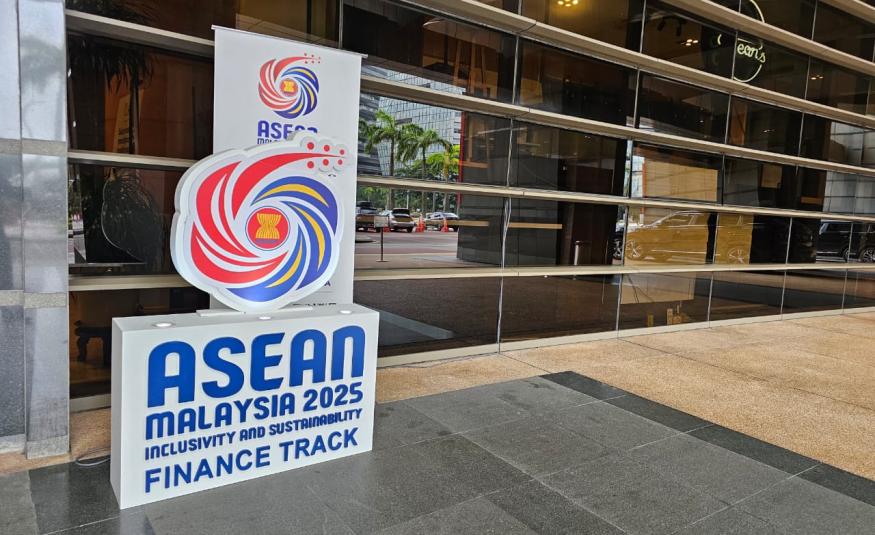
KUALA LUMPUR 25 Feb - As Malaysia takes the helm of ASEAN in 2025, it stands at a pivotal moment to shape the region's economic trajectory.
With a focus on strengthening economic resilience, fostering trade, and positioning ASEAN as a competitive global player, Malaysia’s leadership is poised to elevate the bloc’s standing on the world stage.
A Strategic Vision for Economic Resilience
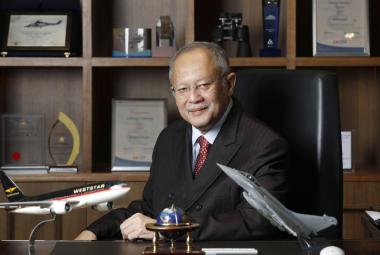
Dr. Oh Ei Sun, Senior Fellow at the Singapore Institute of International Affairs and Principal Adviser at the Pacific Research Center, believes that Malaysia’s primary role as ASEAN Chair should be to ensure food and energy sufficiency across the region.

“Only with basic economic resilience can ASEAN pursue deeper integration. Infrastructure projects such as roads, railways, and pipelines should be harmonized across member states,” he told DagangNews.
Prime Minister Datuk Seri Anwar Ibrahim has consistently emphasized economic equity and shared prosperity.
Dr. Oh highlights that Malaysia must champion policies that encourage intra-ASEAN trade and investment while shifting mindsets from inward-looking policies to global economic engagement.
“Exposure, training, and exchanges are key to transforming ASEAN into a dynamic economic bloc,” he added.
Balancing Self-Sufficiency and Global Trade Ties
Malaysia’s ability to foster ASEAN’s economic self-sufficiency while maintaining robust trade relationships with major economies such as China, the U.S., and the EU will be a delicate balancing act.
Dr. Oh argues that these objectives are not mutually exclusive but complementary. “ASEAN can only export more to major economies if it meets internal demand and creates a conducive environment for export-driven industries,” he said.
A resilient, self-sufficient ASEAN, he added, would ultimately become a more stable and attractive partner for global trade.
Breaking Trade Barriers and Strengthening Investment
Despite existing free trade agreements, intra-ASEAN trade remains hindered by non-tariff barriers.
Malaysia, according to Dr. Oh, should set an example by removing its own trade restrictions and streamlining bureaucratic processes to demonstrate the benefits of free trade.
Additionally, with the Regional Comprehensive Economic Partnership (RCEP) now fully in force, Malaysia must lead ASEAN in translating policy into action.
“RCEP remains largely a paper agreement. The first step is to educate businesses on its advantages and practical implementation,” he noted.
As Malaysia positions itself as a hub for high-value industries, it must also promote regional supply chain integration.
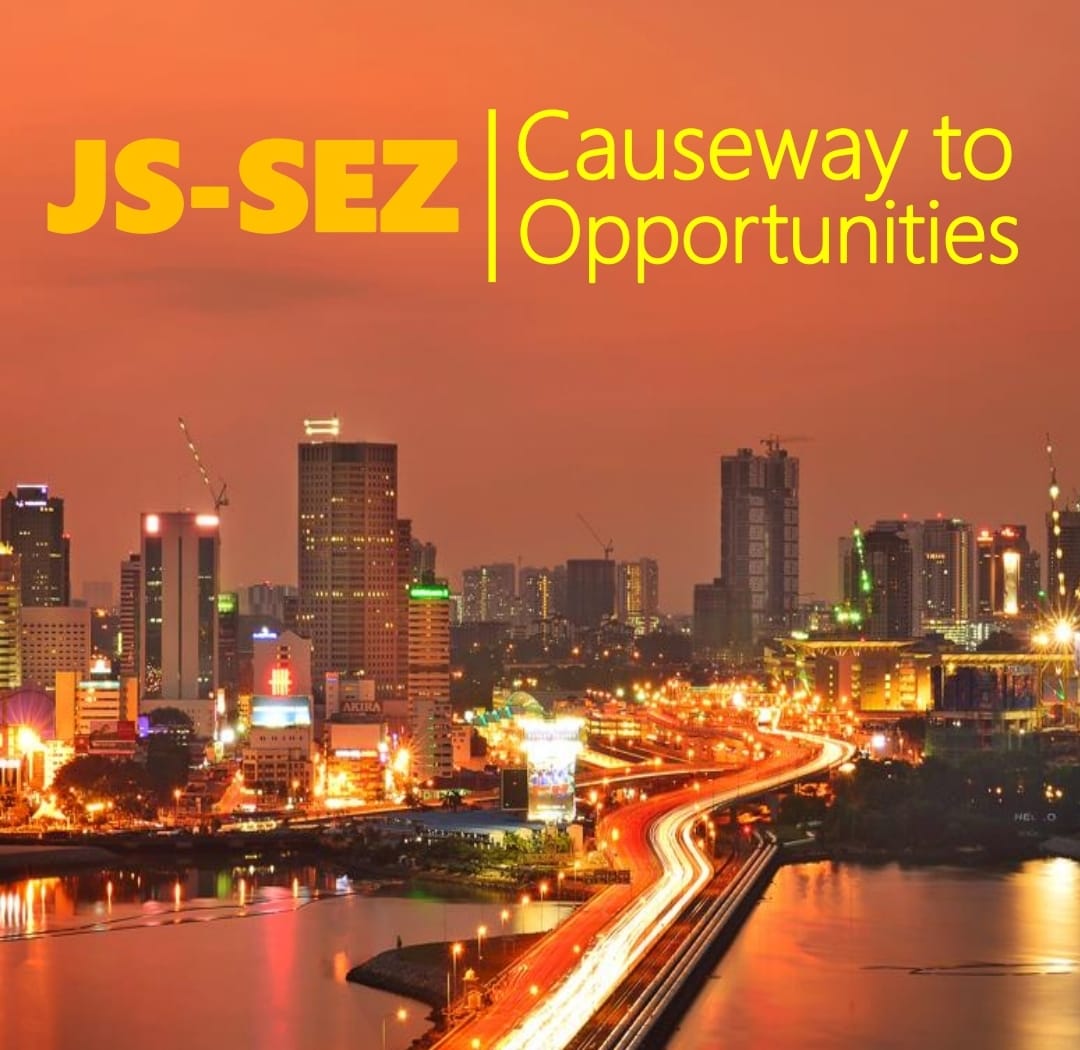
Dr. Oh cited the Johor-Singapore Special Economic Zone (JS-SEZ) as a model for collaboration, where ASEAN countries can strategically collaborate to attract high-tech and high-value investments.
Attracting Quality Foreign Investment
Malaysia has long been a magnet for foreign direct investment (FDI), but the challenge now is to move up the value chain.
“We must showcase a highly skilled workforce to persuade foreign investors to transition into high-value industries,”
Dr. Oh said, ASEAN’s digital and high-tech sectors must also be strengthened through workforce upskilling and robust infrastructure investment.
Sustainability and Digital Transformation
While environmental, social, and governance (ESG) principles have gained global prominence, Dr. Oh believes sustainability policies may face headwinds under the new U.S. administration.
However, Malaysia can still play a leadership role by balancing economic priorities with green initiatives.
On the digital economy, Malaysia must lead ASEAN in fraud prevention and fair market regulations while allowing innovation to flourish.
A focus on STEM education and training, Dr. Oh added, will be crucial to preparing ASEAN’s workforce for an AI-driven economy.
Malaysia’s Moment to Lead
Malaysia officially assumed the ASEAN Chairmanship in January 2025, taking over from Laos. As ASEAN Chair, Malaysia has the opportunity to set the agenda for a stronger, more integrated, and globally competitive ASEAN.
By championing economic resilience, trade facilitation, and digital transformation, Malaysia can not only enhance its own global standing but also drive ASEAN toward a more prosperous and sustainable future. - DagangNews.com
Layari kami terus di DagangNews.com

Orang ramai dipelawa menghantar artikel ke ruangan PARAFRASA di [email protected] mengikut ketetapan berikut:
1. Berbentuk analisis peribadi (Op-Ed) mengenai sesuatu isu atau topik, bukan plagiat
2. Topik yang mendapat perhatian segera dan utama ialah
a. berkaitan perniagaan, perdagangan, keusahawanan, pelaburan
b. Ekonomi MADANI
c. Pembangunan ekonomi negara dan negeri khusus
d. Sektor industri khusus seperti minyak sawit, getah, penerbangan, minyak dan gas
e. ESG
f. Hak pekerja, hak majikan, hak asasi manusia
3. Sains & Teknologi
a. Penemuan penyelidikan Sains & Teknologi serta teori dan konsep
b. Langkah mengkomersialkan produk berasaskan R&D
4. Kaedah penulisan
a) Sebaiknya seorang penulis sahaja pada penama.
b) Berbahasa Malaysia
c) Bahasa Inggeris diterima tetapi akan diterjemah ke Bahasa Malaysia
d) Editor akan memutuskan jika mahu mengekalkan Bahasa Inggeris
e) Tidak melebihi 1,000 patah perkataan dan tidak kurang daripada 600.
f) Jika disertakan gambar, juga amat digalakkan tetapi jangan guna Google (elak langgar hakcipta)
5. Hantar HANYA kepada DagangNews.com
a) Jika didapati artikel sama disiarkan di media lain kerana penulis menghantar merata-rata, nama penulis akan disenaraihitamkan.
b) Sila kemukakan Nama sebenar, Cadangan nama siaran dan emel untuk dihubungi (untuk rekod).