
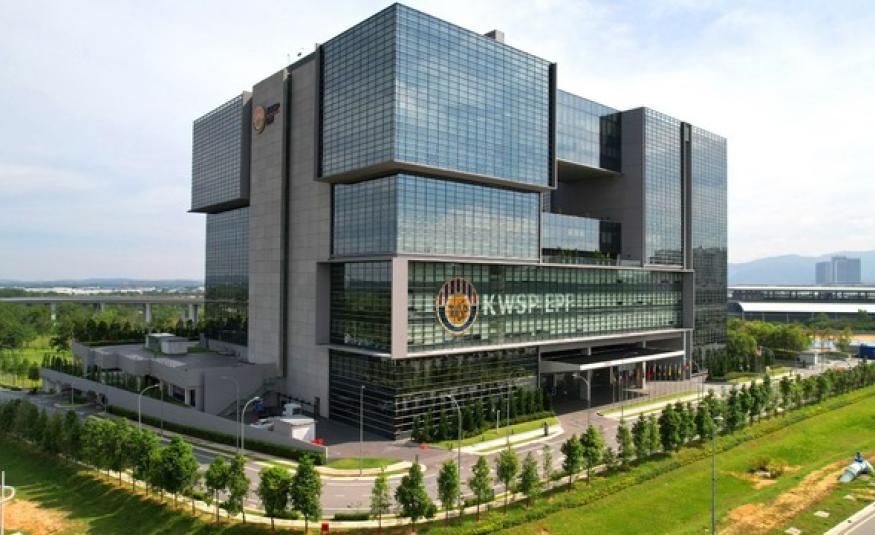
KUALA LUMPUR 23 Dec - In a significant move, Malaysia’s Employees Provident Fund (EPF) has recently raised its basic retirement income benchmark by 62%, from RM240,000 to RM390,000.
This adjustment underscores the rising cost of living, longer life expectancy, and the need for more robust retirement savings.
But what does this mean for Malaysians? Professor Geoffrey Williams, a prominent economist and expert in public policy, weighs in on the implications of this change for individuals and the broader economy.

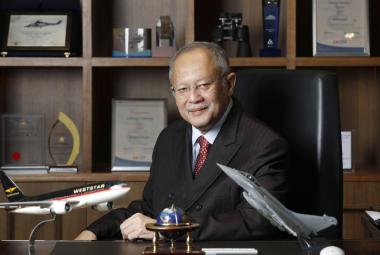
Who is Professor Geoffrey Williams?
Professor Geoffrey Williams, Founder and Director of Williams Business Consultancy Sdn Bhd, is a distinguished academic with expertise in economics and public policy. Actively involved in research on retirement savings, labor markets, and financial sustainability, he has held various leadership roles in academia and policy advisory, offering deep insights into the economic challenges faced by Malaysia and the region.
Why the Benchmark Increase?
According to Professor Williams, the revision was necessary to reflect Malaysia’s rising cost of living and the anticipated expenses retirees face as they live longer. “The retirement savings benchmark has been revised upwards to align with these realities,” he explained.
The new target provides EPF members with a clearer understanding of the savings needed at each life stage. For example, individuals aiming for RM390,000 by age 60 should have accumulated RM217,000 by age 50.
Impact on Retirement Planning
The new benchmark serves as a guide for EPF members to strategize their savings. However, Professor Williams cautioned that achieving the target remains a steep challenge for many. “Only 36% of EPF members can currently reach the RM240,000 benchmark, let alone the new figure,” he noted.
For older members, especially those nearing retirement, it might be nearly impossible to meet this goal without substantial voluntary contributions.
Economic Implications: Limited but Crucial
While the new benchmark has no direct macroeconomic implications, its impact on individual saving and spending behaviors could ripple through the economy.
“Higher-income individuals may save more in the short term, potentially reducing their consumption spending. For low-income groups, however, saving more is simply not an option,” Professor Williams highlighted.
Inflation and the Cost of Living
The benchmark’s adjustment accounts for inflation and the EPF’s dividend compounding effects. Still, Professor Williams emphasized the need for annual indexing to ensure the target remains relevant amidst rising costs.
“Without this adjustment, the benchmark’s real value will erode over time,” he warned.

Global Comparisons and Lessons
Unlike benchmarks in other countries, Malaysia’s RM390,000 figure is tailored to its unique cost of living.
Despite this, the benchmark implies a replacement rate—retirement income as a percentage of pre-retirement salary—of 75%, higher than many nations.
However, Professor Williams noted, “The underlying lesson is that millions of Malaysians cannot meet these minimum levels, signaling a looming retirement crisis.”
Policy Challenges and Opportunities
Professor Williams identified a critical gap in EPF coverage: inactive members and those outside the labor force. He urged policymakers to view the new benchmark as a call to action.
“This should spark serious discussions on policy reforms, including the introduction of a non-contributory Universal Basic Pension funded by a Malaysian Superfund,” he proposed.
Advice for EPF Members
For younger workers, achieving the RM390,000 benchmark is feasible through consistent contributions over a 40-year career.
However, older members with incomplete contributions or past withdrawals face uphill battles. Voluntary top-ups may be their best option.
The Way Forward
Looking ahead, Professor Williams predicts the EPF will implement stricter withdrawal policies and enhance financial literacy initiatives.
These steps aim to support members in achieving retirement income adequacy.
Ultimately, the new benchmark highlights the urgency of addressing Malaysia’s retirement savings challenges.
While it presents significant hurdles for many, it also offers an opportunity for policymakers and EPF members alike to rethink strategies for financial security in retirement. - DagangNews.com
Layari kami terus di DagangNews.com

Orang ramai dipelawa menghantar artikel ke ruangan PARAFRASA di [email protected] mengikut ketetapan berikut:
1. Berbentuk analisis peribadi (Op-Ed) mengenai sesuatu isu atau topik, bukan plagiat
2. Topik yang mendapat perhatian segera dan utama ialah
a. berkaitan perniagaan, perdagangan, keusahawanan, pelaburan
b. Ekonomi MADANI
c. Pembangunan ekonomi negara dan negeri khusus
d. Sektor industri khusus seperti minyak sawit, getah, penerbangan, minyak dan gas
e. ESG
f. Hak pekerja, hak majikan, hak asasi manusia
3. Sains & Teknologi
a. Penemuan penyelidikan Sains & Teknologi serta teori dan konsep
b. Langkah mengkomersialkan produk berasaskan R&D
4. Kaedah penulisan
a) Sebaiknya seorang penulis sahaja pada penama.
b) Berbahasa Malaysia
c) Bahasa Inggeris diterima tetapi akan diterjemah ke Bahasa Malaysia
d) Editor akan memutuskan jika mahu mengekalkan Bahasa Inggeris
e) Tidak melebihi 1,000 patah perkataan dan tidak kurang daripada 600.
f) Jika disertakan gambar, juga amat digalakkan tetapi jangan guna Google (elak langgar hakcipta)
5. Hantar HANYA kepada DagangNews.com
a) Jika didapati artikel sama disiarkan di media lain kerana penulis menghantar merata-rata, nama penulis akan disenaraihitamkan.
b) Sila kemukakan Nama sebenar, Cadangan nama siaran dan emel untuk dihubungi (untuk rekod).