

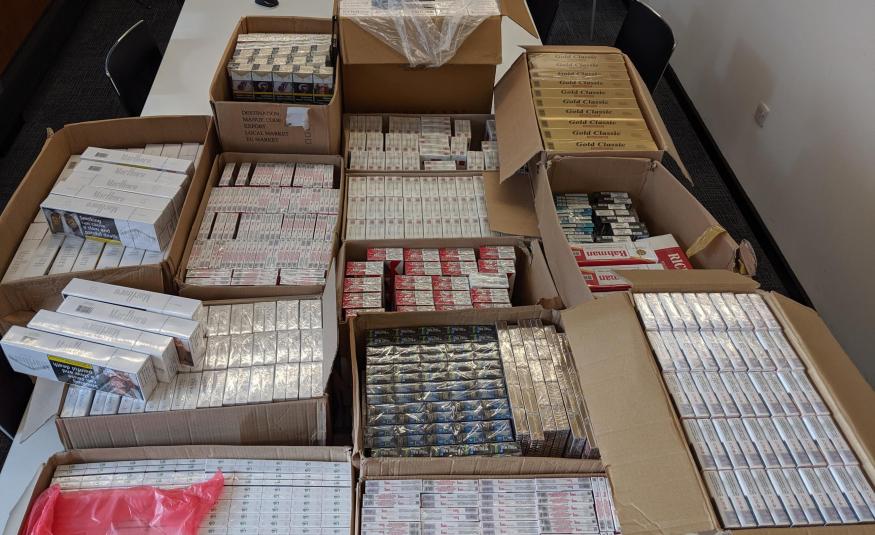
Malaysia continues to face one of the most entrenched illicit cigarette markets in the world. The NielsenIQ Illicit Cigarettes Study (ICS), March 2025 reveals that 54.6% of all cigarettes consumed nationally are illicit.
This alarming figure emphasises a persistent black market that deprives the government of an estimated RM5 billion in lost tax revenue annually.
The scale and consistency of this long standing problem is magnified by evolving tactics used by illicit operators. This in turn, creates a conducive environment for organised criminal activity to thrive.
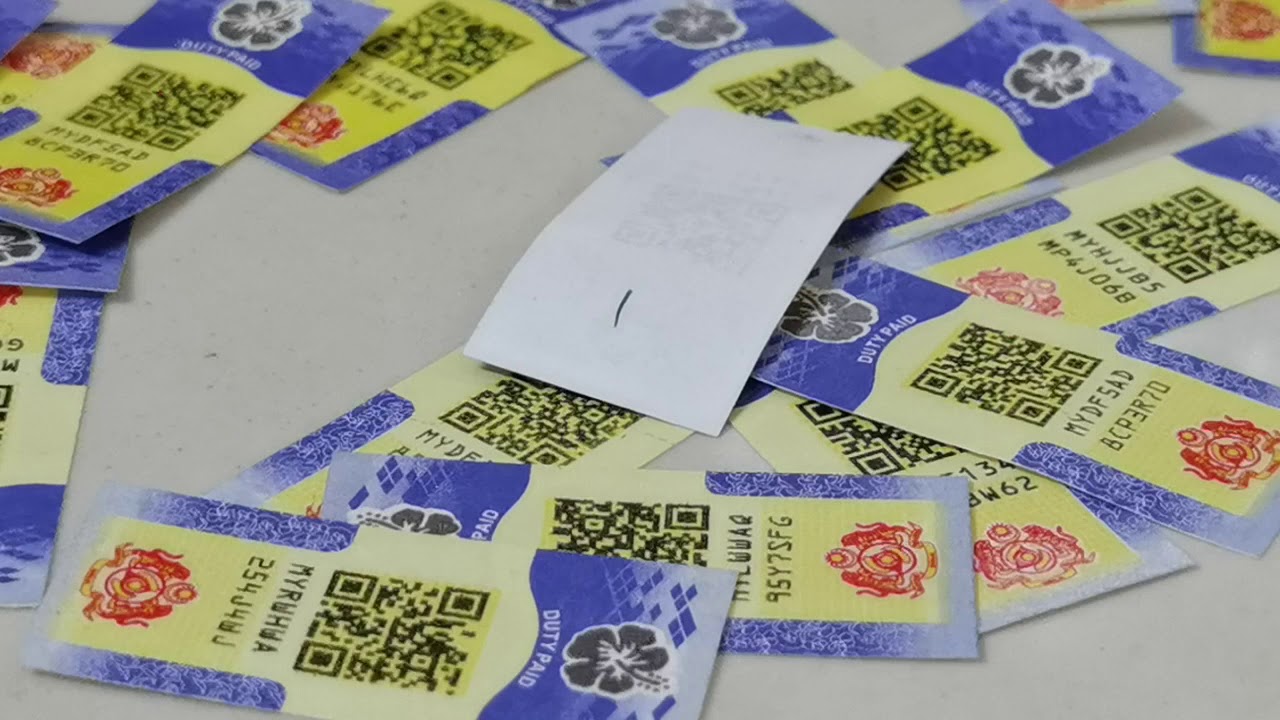
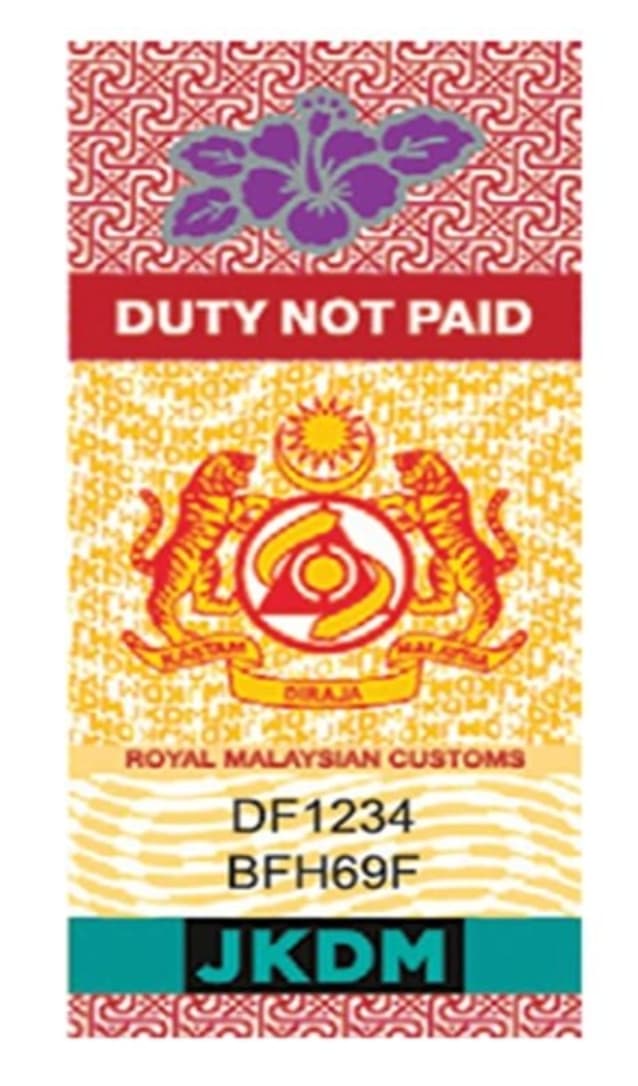
Based on the ICS, 69% of illicit cigarette packs carry no tax stamp at all whilst a further 31% use counterfeit tax stamps. This underscores a troubling rise in sophisticated forgery.
These illegal products seeps easily through multiple entry points, particularly in Johor, Selangor and Sabah which are states that account for a significant share of national consumption and trade.
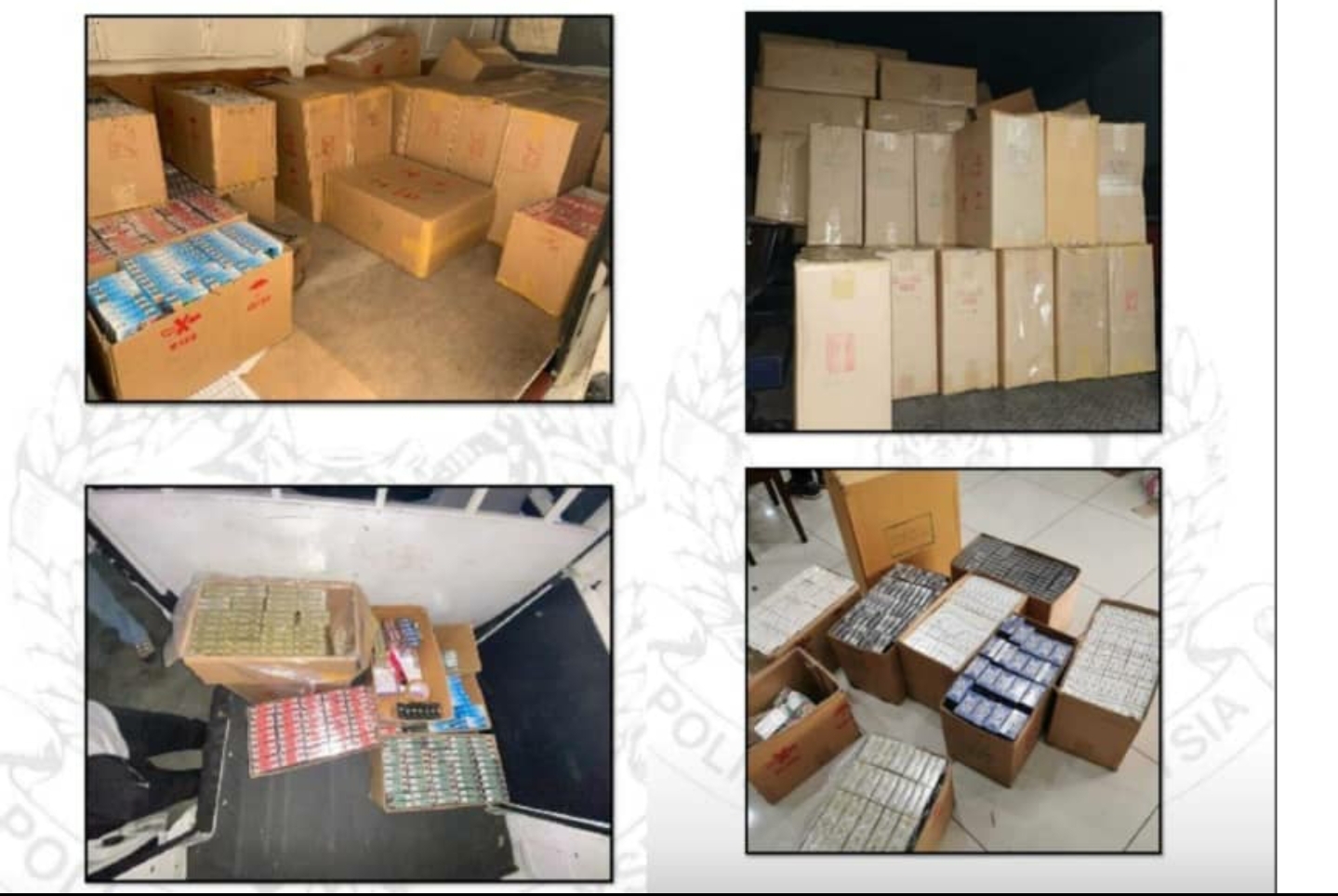
Whilst the overall incidence of illicit cigarettes has shown a slight decline compared to previous reporting periods; a testament to the tireless efforts of Malaysian law enforcement agencies, the emergence of counterfeit tax stamps signifies a dangerous shift.
These fake markings are becoming more advanced amidst concerns that these counterfeit products will continue to slip through the cracks, threatening hard-won progress and risking further erosion of government revenue. Technological upgrades to enforcement tools such as a secure digital tax stamp system cannot be more timely.
Digitalisation of tax stamp system
One such enforcement tool will be the urgent digitalisation of Malaysia's tax stamp system.
With nearly a third of illicit cigarette packs now bearing counterfeit tax stamps, it clearly points to the fact that the current paper-based system is no longer fit for purpose.
A secure, digital stamp system would not only help authorities authenticate legitimate products in real time but also disrupt the increasingly sophisticated illegal networks profiting from forgery. The longer this vulnerability persists, the harder it will be to recover lost revenue and restore public confidence.
The shift from physical paper-based tax stamps to digital codes would also help to fortify the cigarette supply chain security and bolster national revenue.
A customs system that seamlessly integrates with other ministries’ existing systems would also contribute greatly to the battle against illicit cigarettes.
The advantages of enhanced security, real-time oversight, compliance with international protocols as well as administrative efficiency make it a compelling case, a “no-brainer” for the Malaysian Government to support and implement this digital solution.
This is also in line with the Prime Minister’s vision of a digitalised Malaysia.
This however, is not just a story of revenue loss or regulatory evasion. It is also one of public concern and national interest.
A recent nationwide public opinion survey conducted by the Merdeka Center in April 2025 found that 70% of Malaysians are concerned about the prevalence of illicit tobacco, with 72% agreeing that the government must take this into account when deciding excise policies.
Public consensus also points to the broader consequences of inaction. An overwhelming 79% of survey respondents believe that curbing the illicit trade would help reduce crime and generate higher tax revenue for essential public services.
These sentiments reflect an underlying mature public understanding that smart, balanced policy interventions are needed to reverse the tide of illicit trade.
This moment calls for decisive and coordinated leadership. The alignment between public sentiment and data is clear: Malaysians are ready for smarter enforcement and sustainable tax approaches.
What is needed now is a forward-looking policy response that protects national revenue, strengthens enforcement capacity and addresses the systemic drivers of illicit trade.
If left unaddressed, the current status quo will continue to erode public revenue, damage legitimate businesses and further the reach of illegal networks.
With the right digital tools and coordination in place, this is one of Malaysia’s most addressable enforcement challenges; a rare opportunity to recover lost revenue and strengthen governance. - DagangNews.com
Layari kami terus di DagangNews.com

Orang ramai dipelawa menghantar artikel ke ruangan PARAFRASA di [email protected] mengikut ketetapan berikut:
1. Berbentuk analisis peribadi (Op-Ed) mengenai sesuatu isu atau topik, bukan plagiat
2. Topik yang mendapat perhatian segera dan utama ialah
a. berkaitan perniagaan, perdagangan, keusahawanan, pelaburan
b. Ekonomi MADANI
c. Pembangunan ekonomi negara dan negeri khusus
d. Sektor industri khusus seperti minyak sawit, getah, penerbangan, minyak dan gas
e. ESG
f. Hak pekerja, hak majikan, hak asasi manusia
3. Sains & Teknologi
a. Penemuan penyelidikan Sains & Teknologi serta teori dan konsep
b. Langkah mengkomersialkan produk berasaskan R&D
4. Kaedah penulisan
a) Sebaiknya seorang penulis sahaja pada penama.
b) Berbahasa Malaysia
c) Bahasa Inggeris diterima tetapi akan diterjemah ke Bahasa Malaysia
d) Editor akan memutuskan jika mahu mengekalkan Bahasa Inggeris
e) Tidak melebihi 1,000 patah perkataan dan tidak kurang daripada 600.
f) Jika disertakan gambar, juga amat digalakkan tetapi jangan guna Google (elak langgar hakcipta)
5. Hantar HANYA kepada DagangNews.com
a) Jika didapati artikel sama disiarkan di media lain kerana penulis menghantar merata-rata, nama penulis akan disenaraihitamkan.
b) Sila kemukakan Nama sebenar, Cadangan nama siaran dan emel untuk dihubungi (untuk rekod).