
If you want to understand the Malay world, don’t just read its policies—read its heroes. Because in Malay society, the idea of a wira (hero) is not merely a figure of folklore or fiction; it is a moral compass, a cultural mirror, and increasingly, a political barometer.
From the mystical pages of Hikayat Hang Tuah to the fiery chants of Reformasi, the Malay hero has evolved—but what remains remarkably consistent, as cultural scholar Shahruddin Maarof observes, are the values that underpin Malay heroism: budi pekerti (moral virtue), kesetiaan (loyalty), kepahlawanan (courage), and ilmu (wisdom).
In this worldview, a hero is not just brave—he must be righteous, composed, and morally anchored. Hang Tuah, in that sense, wasn’t just defending the Melaka Sultanate—he was modelling a civilisational ideal.
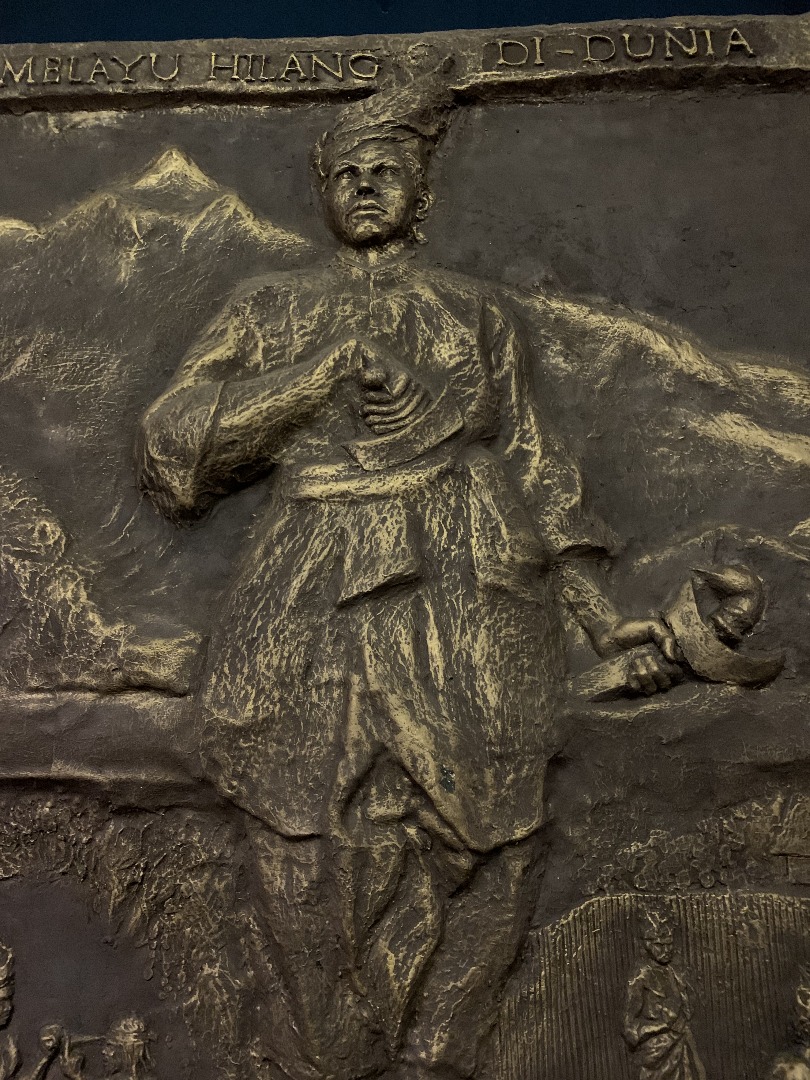
While Western heroes like Robin Hood achieve virtue through rebellion, the Malay hero achieves legitimacy through restraint, order, and relational ethics. That doesn’t mean Malay culture lacks moral rebels. Hang Jebat—the friend-turned-rebel—challenged that very framework, daring to confront a tyrannical ruler.
Once cast as a traitor, Jebat has been reinterpreted by modern Malaysians as a proto-reformer: the one who asked, can loyalty survive injustice? That same moral energy pulses through the lives of Mat Kilau and Tok Janggut—warriors who resisted colonial taxes and foreign rule not out of self-interest, but in defence of tanah air (homeland), adat (custom), and agama (faith).
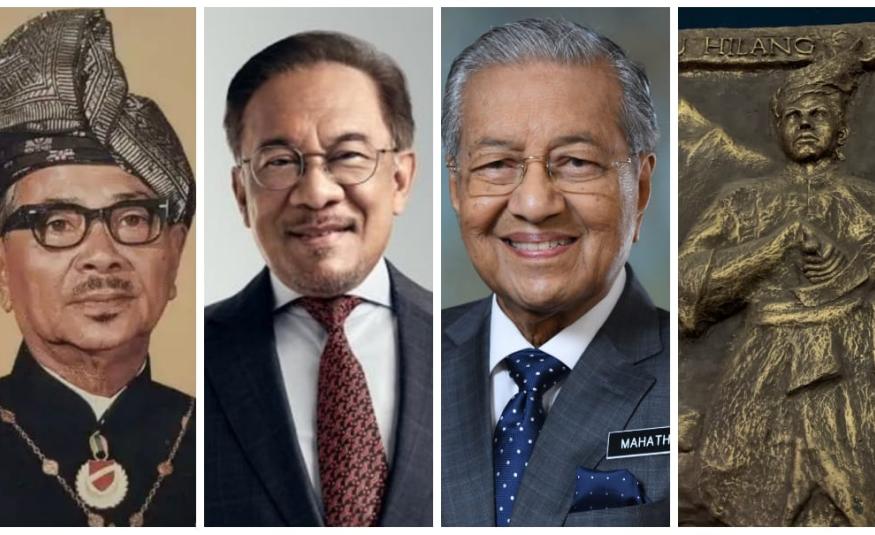
As Malaysia moved from empire to independence, a new generation of political heroes emerged. Tunku Abdul Rahman redefined heroism through diplomacy and interethnic unity.
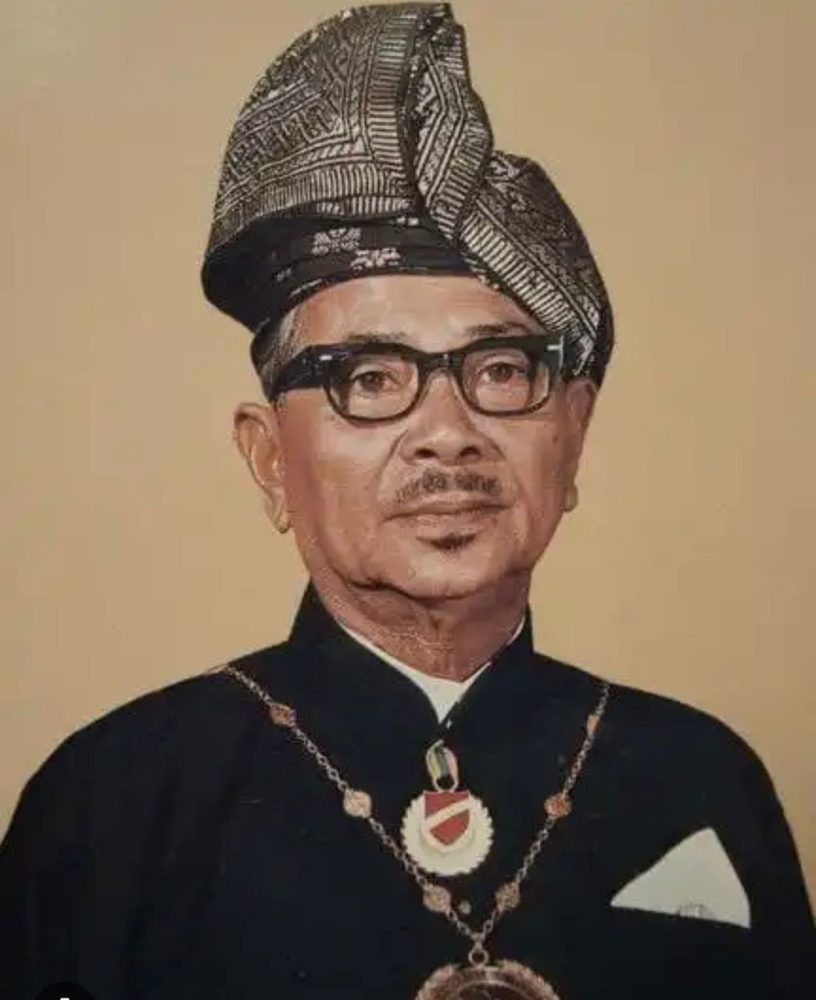
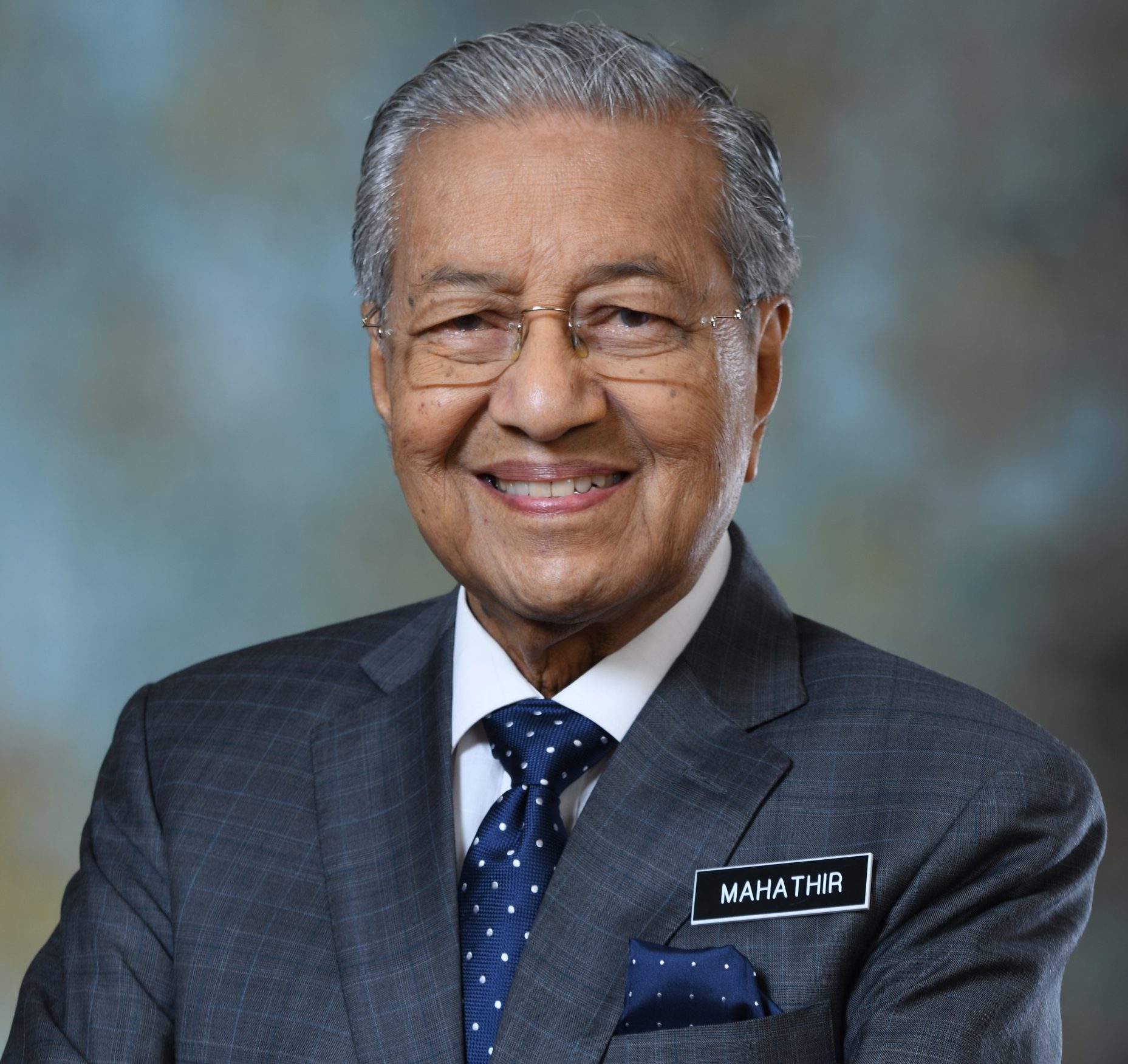
Mahathir Mohamad then recast it in the image of the technocratic strongman—modernising the nation with a blend of economic ambition and nationalist pride. But the first truly modern Malay hero—the one who institutionalised heroism in the architecture of the state—was undeniably Tun Abdul Razak.
Unlike the flamboyance of orators or the drama of dissidents, Tun Razak’s heroism was quiet, strategic, and deeply moral. He was senyap tapi tegas—measured but firm. He was not only the Bapa Pembangunan (Father of Development); he was the transitional figure who bridged traditional Malay values with a modern developmental state. A British-trained lawyer, freedom fighter, and later Malaysia’s second Prime Minister, Razak assumed power at one of the nation’s most delicate inflection points—after the 1969 racial riots. His response was not vengeance or rhetoric, but institutional reform.
Under his leadership, the New Economic Policy (NEP) was born—not simply as a mechanism of redistribution, but as a moral recalibration of Malaysia’s postcolonial nationhood. Razak instinctively understood that economic growth alone could not hold the country together. What was needed was justice, dignity, and structural redress.
In crafting the NEP, he worked closely with international experts like Tan Sri Just Faaland of the Chr. Michelsen Institute (CMI), and local economists like Dr. Rais Saniman, to engineer a policy that attempted to align growth with equity and unity.
Tun Razak did not perform heroism. He institutionalised it.
He didn’t seek applause. He sought outcomes. He didn’t march in the streets. He restructured the state. In doing so, he embodied the values of the classical Malay hero—budi in his restraint, ilmu in his statecraft, kesetiaan to the nation-building mission, and kepahlawanan in the quiet courage to enact difficult, and sometimes unpopular, reforms.
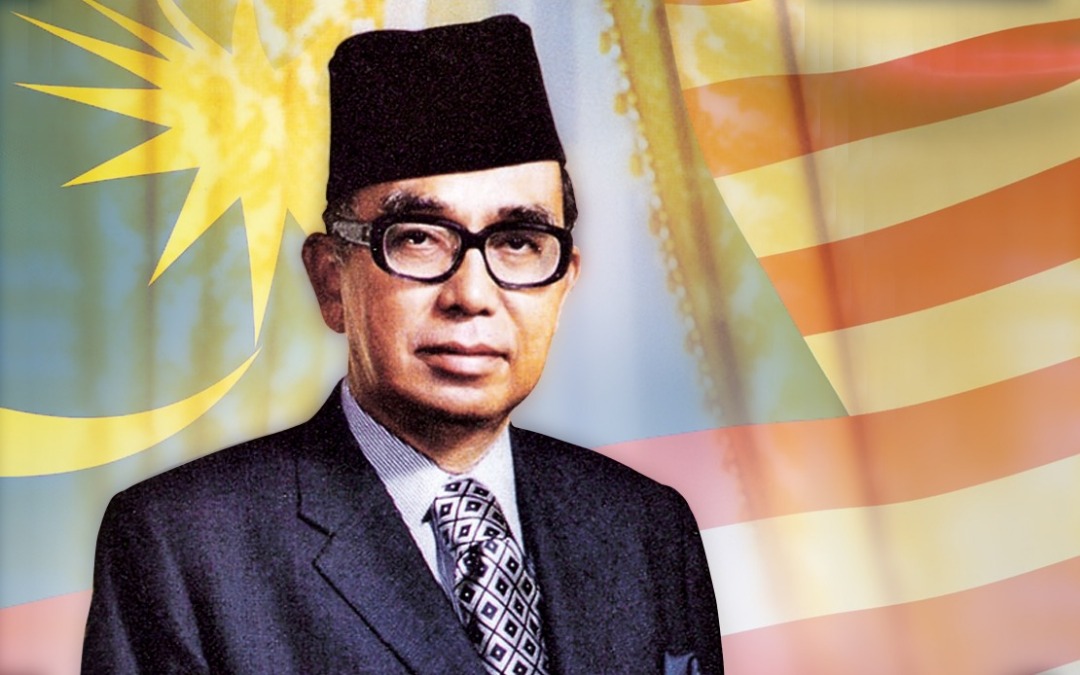
If Hang Tuah was the hero of loyalty, and Jebat the hero of resistance, Razak was the hero of responsibility—the modern wira who put policy where others put poetry.
Following Razak, the next chapter of Malay heroism took on a more volatile and confrontational shape in Anwar Ibrahim, whose political journey—marked by imprisonment, exile, and return—captured the collective yearning for keadilan (justice) in a system often weighed down by patronage and inertia.
Anwar’s arc represents a shift from institutional heroism to moral suffering as political capital. His endurance transformed personal injustice into national symbolism, turning the jail cell into a crucible of conscience—where resilience itself became a political act.

Yet, despite these different styles, the deeper pattern holds. Whether we look to Hang Tuah, Tun Razak, or Anwar Ibrahim, the Malay hero always walks a tightrope between obedience and moral clarity, tradition and necessary disruption. Personal gain is always suspect; sacrifice is expected. Even rebellion must be coated in virtue.
In the digital era, however, the nature of wira is no longer preserved solely in hikayat or national archives. It is produced in real time—on Twitter threads, courtroom livestreams, or the streets of protest. The arena has shifted—from palace courtyards to cyber timelines—but the stakes remain timeless: Who speaks for the people? Who defends the moral order? Who sacrifices without needing applause?
Malay heroism, then, is not a relic. It is a living grammar of national progress, adapting to crisis, refracted through culture, and constantly reinterpreted by each generation.
And perhaps that’s the final insight: in a world of blurred truths and shifting loyalties, the Malay hero remains both anchor and weathervane—rooted in budi, yet forever sensing the winds of conscience—reminding us that the next hero may not wear a sash, but carry a cause. - DagangNews.com
Samirul Ariff Othman is an economist, public policy advisor, and international affairs analyst. A former senior researcher at the Malaysian Institute of Economic Research (MIER), he is a senior consultant with Global Asia Consulting and adjunct lecturer at Universiti Teknologi PETRONAS (UTP).
Layari kami terus di DagangNews.com

Orang ramai dipelawa menghantar artikel ke ruangan PARAFRASA di [email protected] mengikut ketetapan berikut:
1. Berbentuk analisis peribadi (Op-Ed) mengenai sesuatu isu atau topik, bukan plagiat
2. Topik yang mendapat perhatian segera dan utama ialah
a. berkaitan perniagaan, perdagangan, keusahawanan, pelaburan
b. Ekonomi MADANI
c. Pembangunan ekonomi negara dan negeri khusus
d. Sektor industri khusus seperti minyak sawit, getah, penerbangan, minyak dan gas
e. ESG
f. Hak pekerja, hak majikan, hak asasi manusia
3. Sains & Teknologi
a. Penemuan penyelidikan Sains & Teknologi serta teori dan konsep
b. Langkah mengkomersialkan produk berasaskan R&D
4. Kaedah penulisan
a) Sebaiknya seorang penulis sahaja pada penama.
b) Berbahasa Malaysia
c) Bahasa Inggeris diterima tetapi akan diterjemah ke Bahasa Malaysia
d) Editor akan memutuskan jika mahu mengekalkan Bahasa Inggeris
e) Tidak melebihi 1,000 patah perkataan dan tidak kurang daripada 600.
f) Jika disertakan gambar, juga amat digalakkan tetapi jangan guna Google (elak langgar hakcipta)
5. Hantar HANYA kepada DagangNews.com
a) Jika didapati artikel sama disiarkan di media lain kerana penulis menghantar merata-rata, nama penulis akan disenaraihitamkan.
b) Sila kemukakan Nama sebenar, Cadangan nama siaran dan emel untuk dihubungi (untuk rekod).