
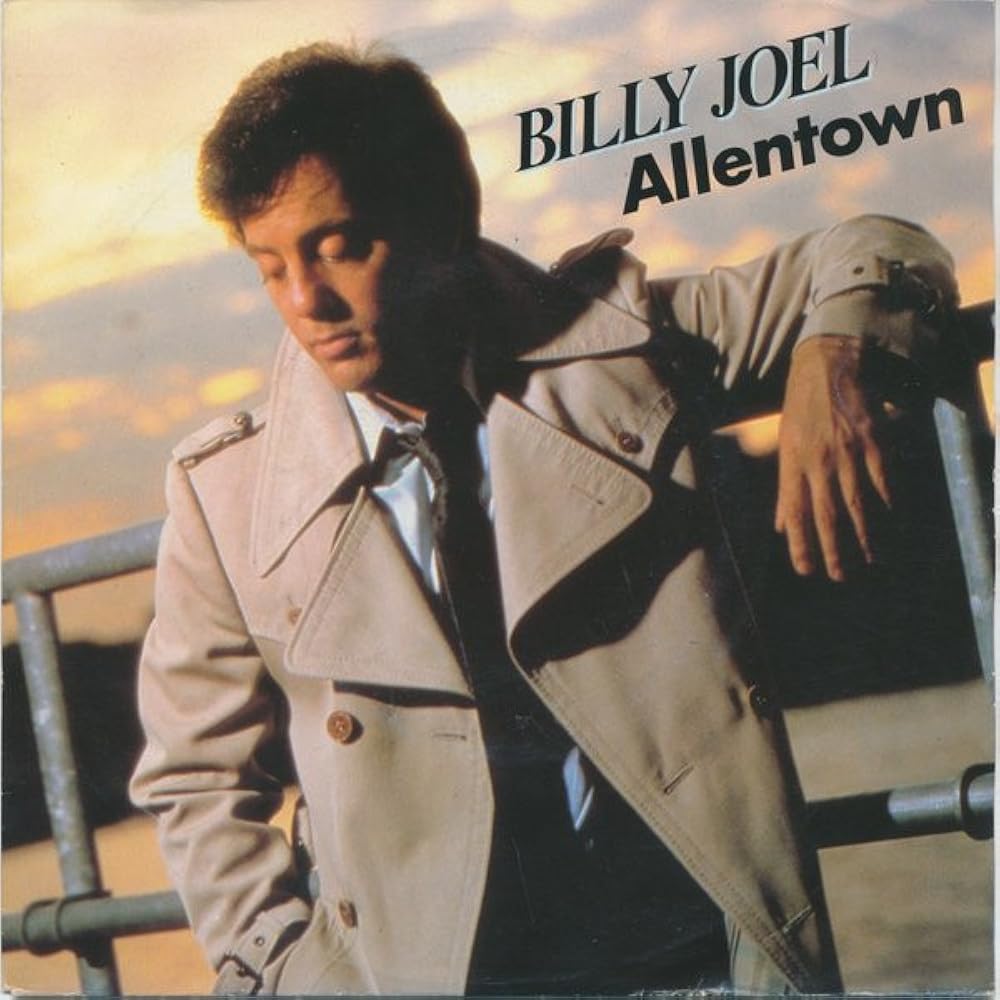
When I first heard Billy Joel’s Allentown, I didn’t think of Pennsylvania—I thought of Perai. Joel’s 1982 anthem, pounding with the rhythm of a steel mill in slow collapse, was about more than one town.
It was about disillusionment: factory whistles falling silent, young men working jobs their fathers lost, and the quiet heartbreak of a community that played by the rules and still got left behind.
“Every child had a pretty good shot / To get at least as far as their old man got…”
In many ways, Allentown wasn’t just about America—it was a postcard from the future. One we ignored.
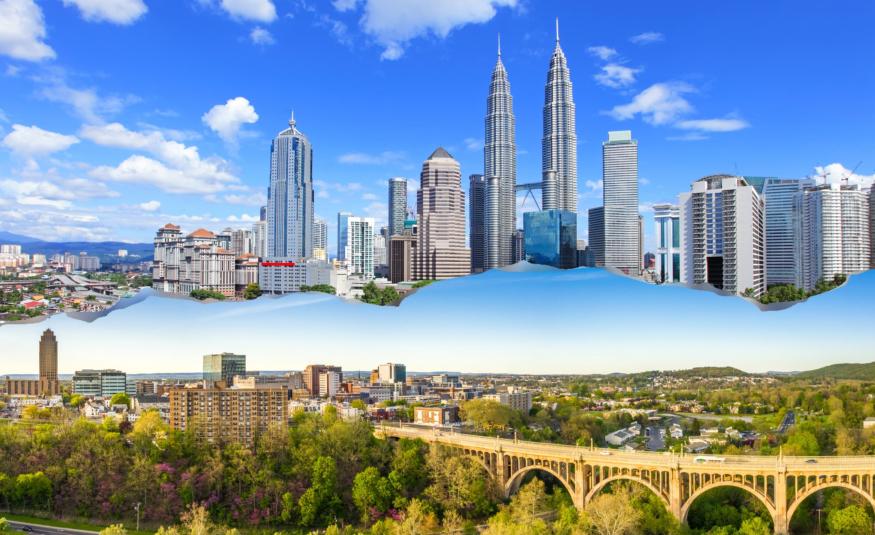
Today, I hear echoes of Allentown in conversations in places like Pasir Gudang and Batu Kawan. Malaysia, too, built its post-independence dreams on the promise of industrial transformation.
From Penang’s free trade zones to Proton’s first rollouts in Shah Alam, this was a country that believed in climbing the ladder—chip by chip, car by car, container by container.
But here’s the kicker: just as Malaysia begins eyeing the upper rungs, the ladder itself is shifting.
The Premature Cliff Call it what Harvard’s Dani Rodrik does: premature deindustrialisation. That’s when a country’s manufacturing share peaks and declines before it gets rich enough to afford the fall.
Unlike Germany or Korea, which built deep high-value industrial bases, countries like Brazil, South Africa—and yes, potentially Malaysia—risk sliding down before they ever summit.
Let’s do the math. Manufacturing’s share of Malaysia’s GDP peaked at ~30% in the early 2000s. It’s now closer to 24%, even as we chase Wawasan 2030 dreams.
Services are surging, yes—but is it high-tech design or low-wage gig work? Is it cloud servers or motorcycle riders? If the answer leans toward the latter, then we may be scripting our own Allentown— only in Bahasa.
But Wait—This Isn’t 1982 Unlike the Rust Belt towns Billy Joel mourned, Malaysia hasn’t been abandoned. In fact, it’s being courted—from both sides.
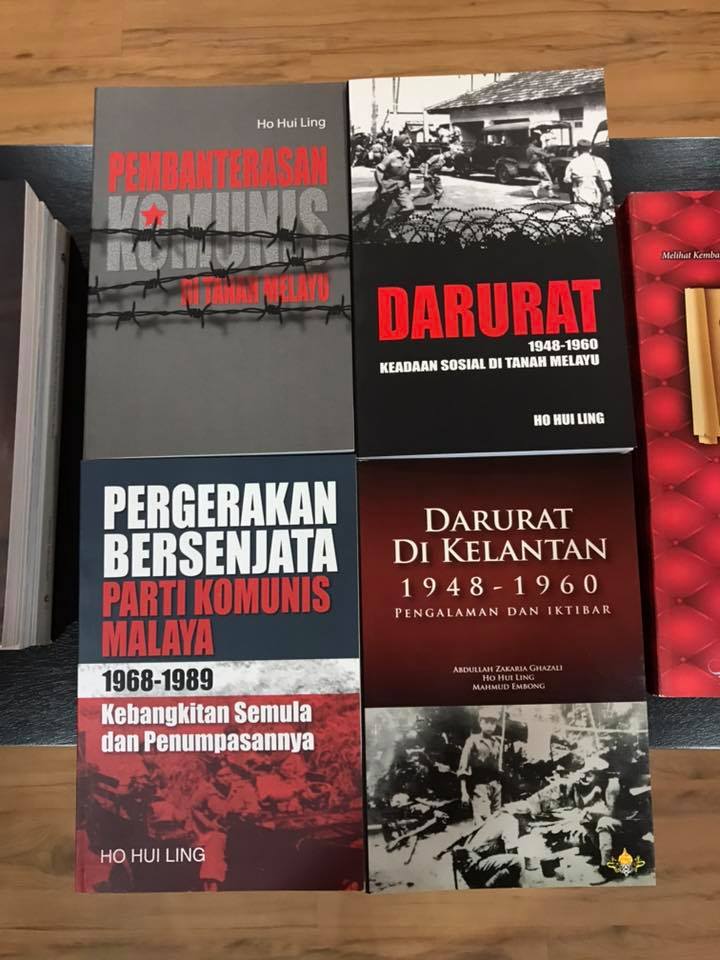
Enter China. The same country that once armed the Communist Party of Malaya in a bloody ideological proxy war is now Malaysia’s top trading partner, investor, and infrastructure patron.
The irony isn’t lost on those who remember the Emergency: yesterday’s enemy is today’s financier. What do you say to the veterans who fought in the jungles of Perak, only to see their grandchildren’s jobs depend on Chinese tech zones in Johor?
You say: history shapes memory, but strategy shapes the future. Like it or not, Malaysia is dancing with a dragon—and trying not to get burned. It’s playing the hedging game: hosting Huawei and embracing the Belt and Road, while also signing the CPTPP, aligning with U.S. semiconductor security, and joining Indo-Pacific economic frameworks.
It’s a little like dating both Coke and Pepsi—and asking them to sponsor your refrigerator.
The Manufacturing Crossroads If Malaysia wants to avoid singing its own version of Allentown, it needs to answer one simple question: What kind of industrial economy will it be in the AI–EV–greentech age?
The new National Industrial Master Plan (NIMP 2030) and the National Semiconductor Strategy are a start. But the game isn’t just about having factories. It’s about owning design. Branding IP. Managing supply chains.
If you’re just another node on China’s assembly line, you’re expendable. But if you’re the brain— not just the hand—you’re indispensable.
This is where the Malaysia story could break the Allentown mold. Allentown was about decline after greatness.
Malaysia has a shot at greatness after fragility. But it must act fast. That means fewer slogans, more execution. Fewer tax holidays for low-cost assembly, more incentives for ecosystem creation.
Less worry about who offends whom geopolitically, more focus on who owns the patents and factories in 2035.
Final Verse Billy Joel closed Allentown with resignation: “And it’s getting very hard to stay…” Malaysia’s young workers don’t want to feel that way. They want to believe that STEM degrees mean more than gig work.
That Johor and Penang are more than just warehouses for foreign capital. That this country can be a hub—not just a spoke—in the 21st-century global economy.
And they’re right to hope. But hope, like manufacturing, is only resilient when it’s built with steel—not slogans. - DagangNews.com
Samirul Ariff Othman is a geopolitical and economic analyst. He regularly writes on how global macroeconomic trends intersect with trade and industrial policy
Layari kami terus di DagangNews.com

Orang ramai dipelawa menghantar artikel ke ruangan PARAFRASA di [email protected] mengikut ketetapan berikut:
1. Berbentuk analisis peribadi (Op-Ed) mengenai sesuatu isu atau topik, bukan plagiat
2. Topik yang mendapat perhatian segera dan utama ialah
a. berkaitan perniagaan, perdagangan, keusahawanan, pelaburan
b. Ekonomi MADANI
c. Pembangunan ekonomi negara dan negeri khusus
d. Sektor industri khusus seperti minyak sawit, getah, penerbangan, minyak dan gas
e. ESG
f. Hak pekerja, hak majikan, hak asasi manusia
3. Sains & Teknologi
a. Penemuan penyelidikan Sains & Teknologi serta teori dan konsep
b. Langkah mengkomersialkan produk berasaskan R&D
4. Kaedah penulisan
a) Sebaiknya seorang penulis sahaja pada penama.
b) Berbahasa Malaysia
c) Bahasa Inggeris diterima tetapi akan diterjemah ke Bahasa Malaysia
d) Editor akan memutuskan jika mahu mengekalkan Bahasa Inggeris
e) Tidak melebihi 1,000 patah perkataan dan tidak kurang daripada 600.
f) Jika disertakan gambar, juga amat digalakkan tetapi jangan guna Google (elak langgar hakcipta)
5. Hantar HANYA kepada DagangNews.com
a) Jika didapati artikel sama disiarkan di media lain kerana penulis menghantar merata-rata, nama penulis akan disenaraihitamkan.
b) Sila kemukakan Nama sebenar, Cadangan nama siaran dan emel untuk dihubungi (untuk rekod).