
If you want to understand how Malaysia is trying to future-proof its economy in the postpandemic era, don’t look at GDP charts or trade figures—look at how it’s rethinking its industrial playbook.
In fact, Kuala Lumpur is doing something that would make the ghost of Billy Joel’s Allentown blink twice: it’s throwing out the old industrial-growth ladder and trying to build a new one—faster, greener, and smarter.
Five big strategies are leading the charge, and together, they reveal how Malaysia hopes to sidestep the fate of mid-income stagnation and premature deindustrialisation.
NIMP 2030
Start with the New Industrial Master Plan 2030—the nerve center of the whole policy machine. It’s Malaysia’s first mission-based industrial strategy, and it reads more like a tech company’s OKRs than a government white paper.
Four big missions—boost complexity, tech-up the economy, go net-zero, and secure inclusive growth—are broken down into 62 actionable plans and a portfolio of nine “mission-based projects,” including a locally-made EV.
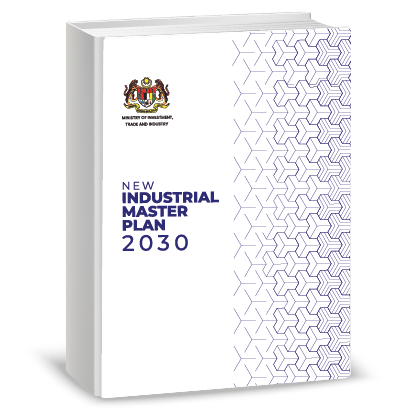
The headline target: grow manufacturing GDP by 6.5% annually and raise total manufacturing value-added to RM587.5 billion by 2030. Think aerospace, specialty chemicals, EV components, semiconductors.
And to get there, Malaysia aims to retrofit 3,000 factories into smart, Industry 4.0 facilities. This is not your grandfather’s industrial plan—it’s a moonshot.
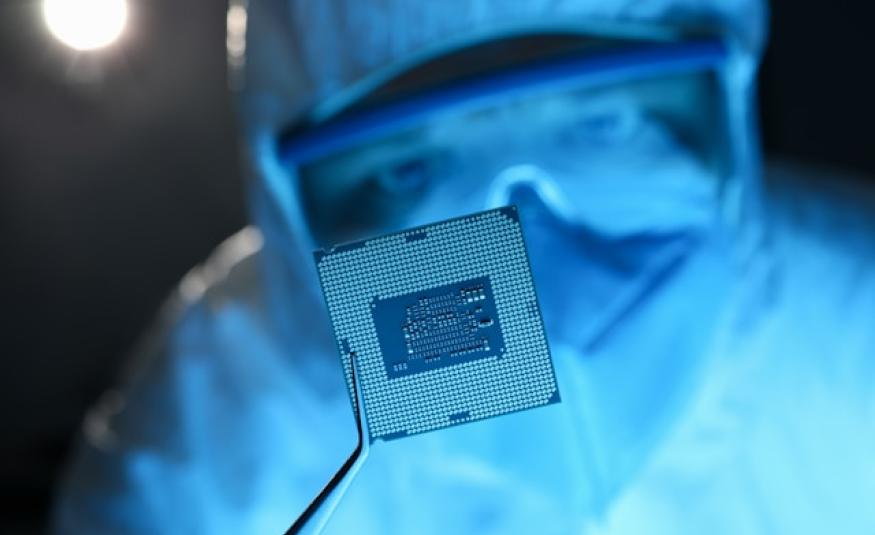
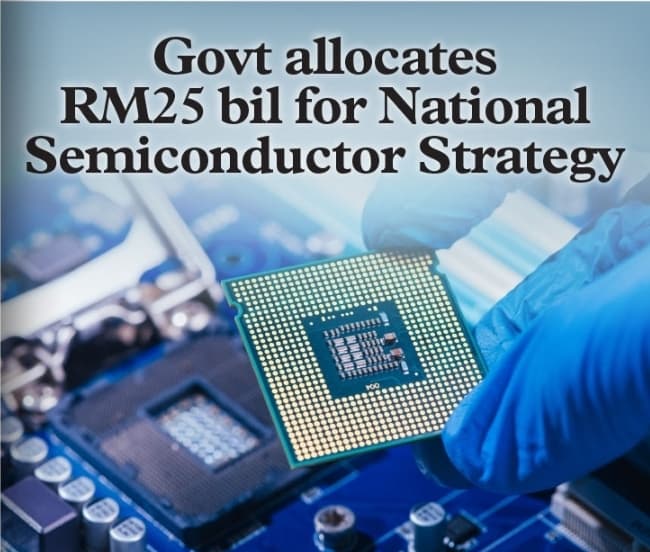
But the plan doesn’t fly without chips—semiconductors, that is. Enter the National Semiconductor Strategy, launched in 2024.
Malaysia already sits at the heart of global back-end chip assembly (OSAT), but the real money—and strategic leverage—is in moving up the value chain: advanced packaging, wafer fabs, even IC design.
The NSS is Malaysia’s bid to become the Switzerland of silicon: neutral, reliable, and indispensable. Backed by RM25 billion in fiscal incentives, the goal is to draw RM500 billion in total investments and nurture at least ten Malaysian chip design or packaging firms that can break RM1 billion in annual revenue. Alongside this? Training 60,000 engineers.
The message to Intel, Nvidia, and TSMC is clear: if you’re decoupling from China, you’re welcome in Penang.
All of this, of course, requires a massive digital backbone—which is where MyDIGITAL and the Industry4WRD masterplan come in. These initiatives aim to digitize the entire economy —factories, farms, finance, and everything in between.
Targets include lifting the digital economy to 22.6% of GDP, getting 875,000 MSMEs online, and creating half a million
digital jobs by the end of the decade.
Phase Three (2026–2030) is about embedding AI, robotics, and cybersecurity into real economic sectors—especially manufacturing. The pandemic turned this into a necessity. Years of digital transformation happened in just months.
Malaysia’s challenge now is making sure its smallest firms don’t get left behind on the wrong side of the analogue divide.
EV
Then comes the Electric Vehicle and Smart Mobility Agenda, driven by a suite of overlapping frameworks: the National Automotive Policy 2020, the Low-Carbon Mobility Blueprint, and NIMP’s EV missions. By 2030, Malaysia wants EVs and hybrids to make up 15–20% of new vehicle sales, with a long-term goal of 80% by 2050.
To get there, it’s not just about charging stations—it’s about creating an EV manufacturing ecosystem: battery assembly, power electronics (linking back to the chip strategy), and recycling infrastructure. In a world rushing to electrify, Malaysia wants to be more than a market—it wants to be a maker.
Finally, we get to the green engine of the whole transition: the National Energy Transition Roadmap (NETR).
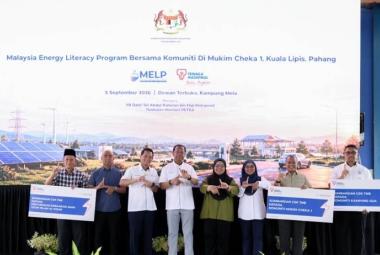
Think of it as Malaysia’s way of turning climate pressure into an industrial opportunity. The plan lays out RM 120–180 billion in green-industry investments by 2030, tied to flagship projects in solar-PV manufacturing, sustainable aviation fuel, green hydrogen, and grid-scale energy storage.
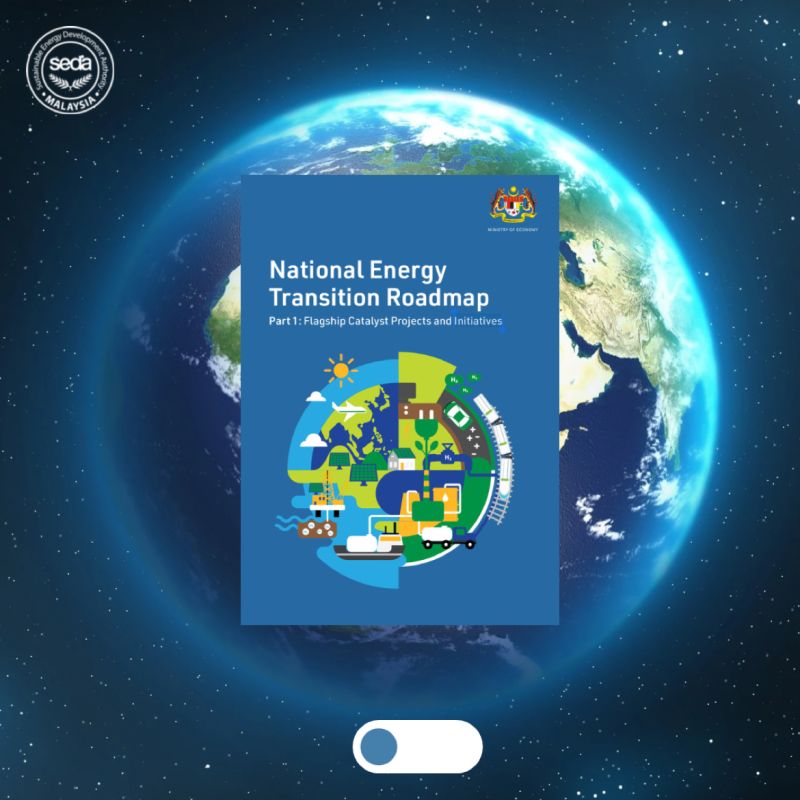
If successful, this strategy could add RM220 billion to GDP by 2050 and create over 300,000 jobs. Malaysia is already the world’s third-largest solar module exporter—now it’s trying to replicate that industrial success in next-gen clean tech.
What makes all five of these plans work together isn’t just good timing—it’s good crossstitching.
Talent pipelines from the NSS feed directly into MyDIGITAL and NETR. Industrial clusters from NIMP interlock with EV and chip strategies. The digital and green agendas reinforce each other: solar-powered factories that run on AI-optimized workflows are no longer science fiction—they’re industrial policy.
And perhaps most importantly, Malaysia is signaling a predictable investment environment—an antidote to the pandemic-era global scramble for resilience and redundancy.
The bottom line? Malaysia is betting big on “high-tech, green-tech, and supply-chain resilience” to keep its industrial base not just alive, but competitive.
The risk of failure is real—execution remains the Achilles’ heel of even the best-designed plans. But for the first time in decades, Malaysia has an industrial strategy with teeth, torque, and timing. And in a post-Allentown world, that could make all the difference. - DagangNews.com
Samirul Ariff Othman is a geopolitical and economic analyst. He regularly writes on how global macroeconomic trends intersect with trade and industrial policy
Layari kami terus di DagangNews.com

Orang ramai dipelawa menghantar artikel ke ruangan PARAFRASA di [email protected] mengikut ketetapan berikut:
1. Berbentuk analisis peribadi (Op-Ed) mengenai sesuatu isu atau topik, bukan plagiat
2. Topik yang mendapat perhatian segera dan utama ialah
a. berkaitan perniagaan, perdagangan, keusahawanan, pelaburan
b. Ekonomi MADANI
c. Pembangunan ekonomi negara dan negeri khusus
d. Sektor industri khusus seperti minyak sawit, getah, penerbangan, minyak dan gas
e. ESG
f. Hak pekerja, hak majikan, hak asasi manusia
3. Sains & Teknologi
a. Penemuan penyelidikan Sains & Teknologi serta teori dan konsep
b. Langkah mengkomersialkan produk berasaskan R&D
4. Kaedah penulisan
a) Sebaiknya seorang penulis sahaja pada penama.
b) Berbahasa Malaysia
c) Bahasa Inggeris diterima tetapi akan diterjemah ke Bahasa Malaysia
d) Editor akan memutuskan jika mahu mengekalkan Bahasa Inggeris
e) Tidak melebihi 1,000 patah perkataan dan tidak kurang daripada 600.
f) Jika disertakan gambar, juga amat digalakkan tetapi jangan guna Google (elak langgar hakcipta)
5. Hantar HANYA kepada DagangNews.com
a) Jika didapati artikel sama disiarkan di media lain kerana penulis menghantar merata-rata, nama penulis akan disenaraihitamkan.
b) Sila kemukakan Nama sebenar, Cadangan nama siaran dan emel untuk dihubungi (untuk rekod).