
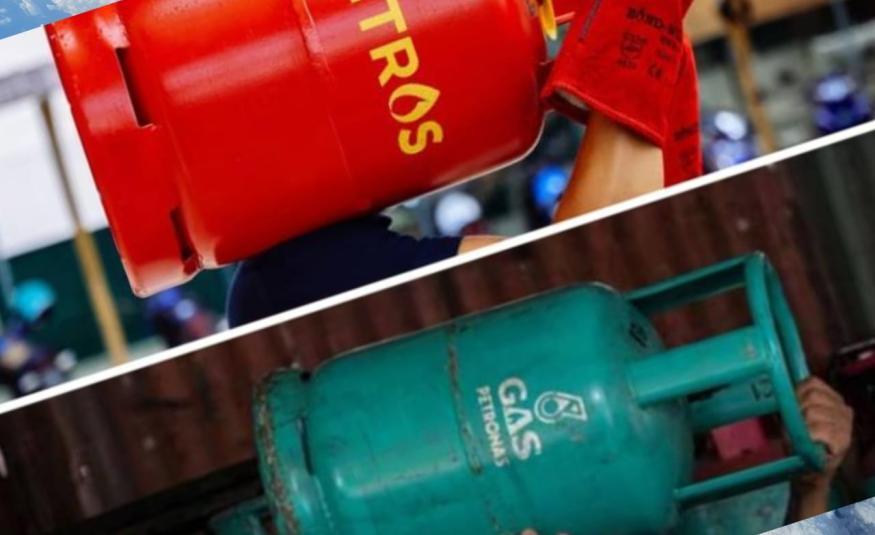
On 18 April, a shocking twist emerged in the ongoing Petronas-Petros dispute: a Petronas manager was charged in court for allegedly attempting to leak confidential company documents to Sarawak's petroleum agency last June.
The case revealed a deeper truth about the saga—one that was not only tough but bitter, despite efforts by both the Federal and State governments to portray it as a cordial matter that could be amicably resolved.
For months, both Putrajaya and Kuching had worked hard to control the narrative. However, insiders revealed that reaching a resolution was challenging, and at one point, talks completely broke down—prompting Prime Minister Datuk Seri Anwar Ibrahim to step in personally.
Last Friday’s revelation exposed the grim reality of the situation. The charge of "attempting to leak confidential documents" involving the two petroleum giants is not just a legal matter—it’s a glaring indication of how fractured the situation has become.
Despite the efforts to spin the narrative, the proceedings are a stark testament to the tension behind the scenes.
BAHASA VERSION: Kes Pengintipan Korporat Merumitkan Lagi Rundingan Petronas-Petros
Understanding Corporate Espionage
Corporate espionage, or industrial espionage, involves the unauthorized acquisition, use, or disclosure of confidential, proprietary, or trade secret information by individuals or organizations for competitive or strategic advantage.
It can include:
• Stealing company data, client lists, or financial records
• Leaking sensitive operational information to competitors or foreign entities
• Using insiders to gather intelligence
• Hacking into databases or email systems
In this case, the former Petronas manager is accused of attempting to disclose confidential operational and financial data to Petros, a state-owned oil and gas company under the Sarawak government.
While it was the intent, rather than the act itself, that led to charges under Section 203A (1) (unauthorized disclosure of information) and Section 511 (attempt to commit an offence), the seriousness of the matter touches on economic sabotage and conflict of national interest, especially given Petronas’s role as Malaysia’s national oil company.
Is Corporate Espionage Rampant in Malaysia?
While data on corporate espionage in Malaysia is scarce and not always publicized, several factors suggest the risk is growing:
• Intense regional competition in industries like oil and gas, palm oil, semiconductors, and finance
• State-linked corporations (GLCs) and rivalries between federal and state entities (e.g., Petronas vs. Petros) create vulnerabilities
• Digitalization and remote work increase exposure to cyber espionage
• Weak internal controls in some companies or agencies
Past cases have involved:
• Leaks of confidential data from telecom companies and banks
• Cyberattacks on government and corporate databases
• Internal whistleblowing revealing misuse or theft of proprietary data
While high-profile prosecutions are rare, insider threats and data leaks are real, particularly when employees are dissatisfied or enticed by competitors.
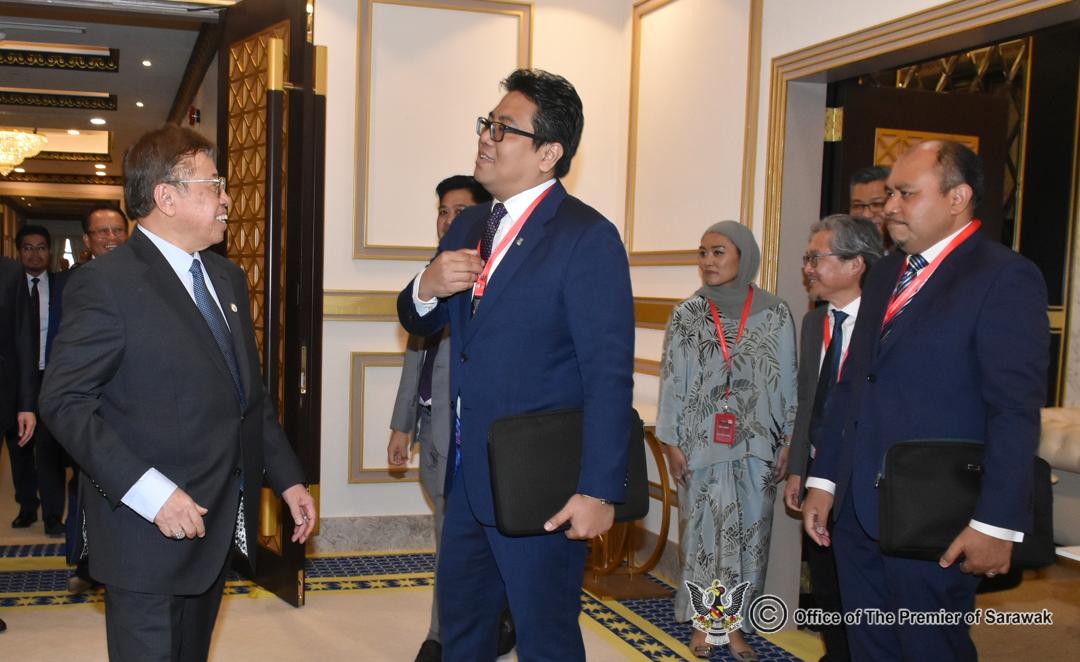
The Reality: Petronas-Petros Dispute is Unresolved and Growing
This latest case underscores the urgent need for Petronas and Petros to resolve their regulatory uncertainties swiftly—or risk deterring investors.
Analysts have pointed out that while each oil and gas project present challenges, the recent withdrawal of two international oil companies from Sarawak signals deeper issues stemming from the unresolved Petronas-Petros dispute.
The back-to-back cancellations of these projects suggest an emerging trend, driven by economic pressures and growing regulatory uncertainties.
Petros-Petronas Suit Must Be Settled Fast
Investors remain jittery, especially with the unresolved court case that has dragged on for nearly two years. Adding to the uncertainty, Petronas recently obtained permission from the Kuching High Court to stay the hearing of a lawsuit filed by Petros last year.
In the suit, Petros seeks to restrain Petronas from utilizing RM7.95 million received under a bank guarantee issued by Petros for gas supply. Petros argues that Petronas’s demand for payment under the guarantee was “unconscionable” and even “unlawful.”
Regulatory Clarity Is Crucial
The ongoing uncertainty surrounding Petros's role as the state’s designated gas aggregator is fuelling investor anxiety. Despite Petronas confirming ongoing discussions with Petros, ambiguity over intermediary arrangements erodes confidence—especially at a time when national cohesion is crucial.
Jamil Ghani, a former analyst at the Malaysian Petroleum Resources Corporation, emphasized that the federal government’s insistence on leaving Petronas' contracts unchanged, without middlemen, only adds to the confusion. This situation threatens to deepen internal divisions, especially in Malaysia’s strategic energy sector, which is vital to economic stability.
“If Petronas is to remain a pillar of national stability, policy coherence and operational continuity must take priority,” Jamil said. “The federal and Sarawak governments must urgently resolve the dispute to safeguard the nation’s economic resilience.”
The Petronas-Petros dispute, particularly over gas distribution rights, continues to foster uncertainty, making it difficult for investors to make informed decisions. Analysts underscore the need for clear and stable fiscal terms, coupled with consistent enforcement of production-sharing contracts, to maintain investor confidence.
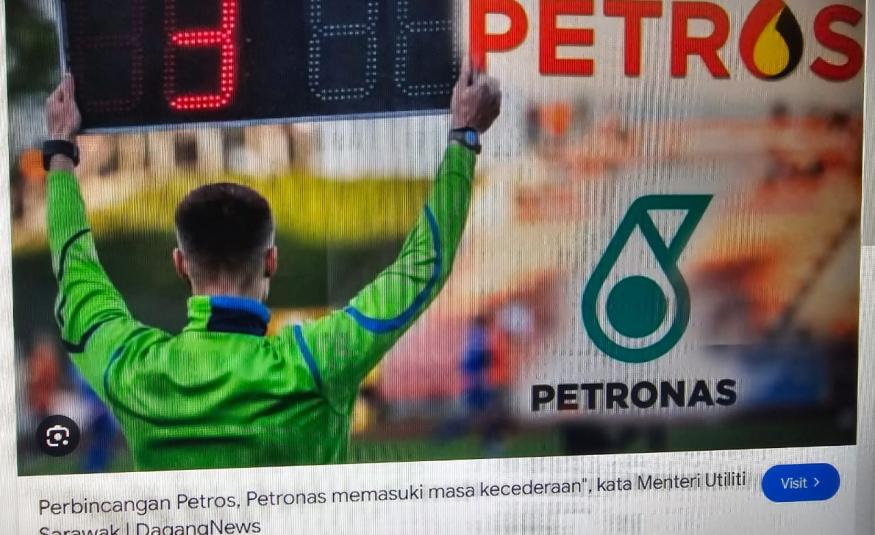
What’s Really Going on with the Petronas-Petros Discussion?
The Petronas-Petros saga is more than just a dispute over gas distribution rights; it reflects deeper issues of regulatory uncertainty and internal tensions that have been brewing for months.
At the heart of the matter is the role of Petros, the state-owned petroleum agency of Sarawak, which has been seeking a larger role in the state's oil and gas sector.
For years, Petronas has been the dominant player in Malaysia’s energy industry, managing national resources and ensuring that Malaysia's oil and gas assets are harnessed for the country's benefit.
However, Sarawak has increasingly pushed for greater control over its own energy resources, with Petros positioned as the state's designated gas aggregator. This move has led to conflict over regulatory authority and distribution rights, with both federal and state entities at odds over how the energy sector should be managed.
The real issue at stake is not just a simple legal dispute, but the potential long-term consequences of unresolved tensions between the federal and state governments, which could undermine investor confidence and economic stability.
The fear is that continued uncertainty may drive away international investors, particularly in Malaysia's vital oil and gas sector, as companies look for more stable environments in which to operate. - DagangNews.com
Layari kami terus di DagangNews.com
Orang ramai dipelawa menghantar artikel ke ruangan PARAFRASA di [email protected] mengikut ketetapan berikut:
1. Berbentuk analisis peribadi (Op-Ed) mengenai sesuatu isu atau topik, bukan plagiat
2. Topik yang mendapat perhatian segera dan utama ialah
a. berkaitan perniagaan, perdagangan, keusahawanan, pelaburan
b. Ekonomi MADANI
c. Pembangunan ekonomi negara dan negeri khusus
d. Sektor industri khusus seperti minyak sawit, getah, penerbangan, minyak dan gas
e. ESG
f. Hak pekerja, hak majikan, hak asasi manusia
3. Sains & Teknologi
a. Penemuan penyelidikan Sains & Teknologi serta teori dan konsep
b. Langkah mengkomersialkan produk berasaskan R&D
4. Kaedah penulisan
a) Sebaiknya seorang penulis sahaja pada penama.
b) Berbahasa Malaysia
c) Bahasa Inggeris diterima tetapi akan diterjemah ke Bahasa Malaysia
d) Editor akan memutuskan jika mahu mengekalkan Bahasa Inggeris
e) Tidak melebihi 1,000 patah perkataan dan tidak kurang daripada 600.
f) Jika disertakan gambar, juga amat digalakkan tetapi jangan guna Google (elak langgar hakcipta)
5. Hantar HANYA kepada DagangNews.com
a) Jika didapati artikel sama disiarkan di media lain kerana penulis menghantar merata-rata, nama penulis akan disenaraihitamkan.
b) Sila kemukakan Nama sebenar, Cadangan nama siaran dan emel untuk dihubungi (untuk rekod).