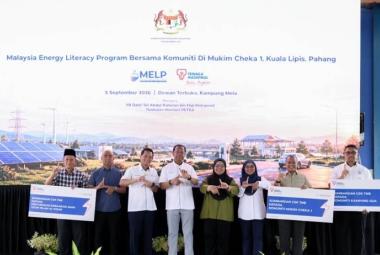

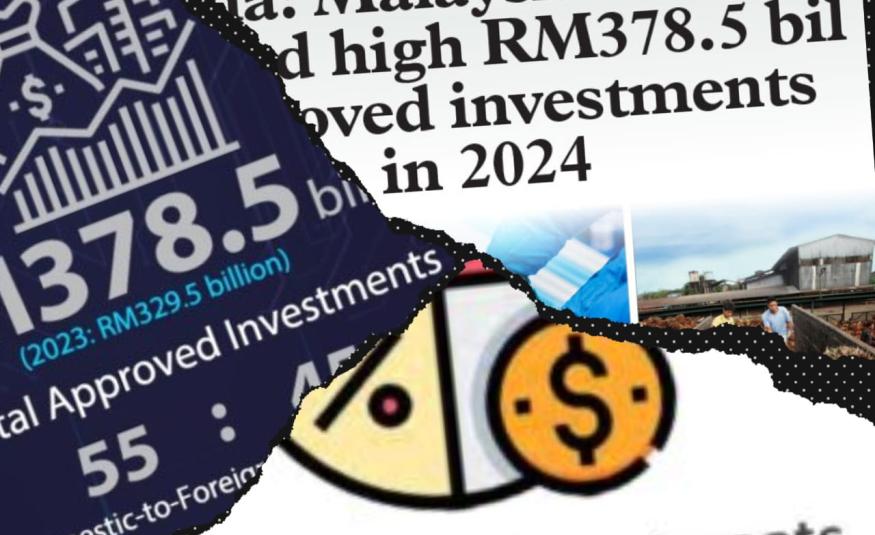
Something fascinating is happening in Malaysia. If you only read the headlines, you'd think we're on the verge of becoming the next industrial powerhouse.
One week it's RM254 billion in digital investments. The next, RM431 billion from foreign visits. BlackRock's putting in RM27.5 billion. Data centres are sprouting like mushrooms in Johor and Cyberjaya.
At one point, even former Prime Minister Tun Dr. Mahathir Mohamad quipped that soon, every inch of land in Malaysia might be covered with a factory!
But here’s the thing—just because you announce billions doesn’t mean they materialise. Just because you’ve counted the eggs doesn’t mean they’re going to hatch.
Malaysia today is caught in an investment illusion—a fixation on big numbers rather than meaningful outcomes.
We need to distinguish between portfolio investments, the fast-moving, speculative capital that flows in and out of the stock exchange like hot money, and Gross Fixed Capital Formation (GFCF), which is the real, tangible investment in factories, logistics infrastructure, and technology systems.
One moves the markets. The other moves the economy.
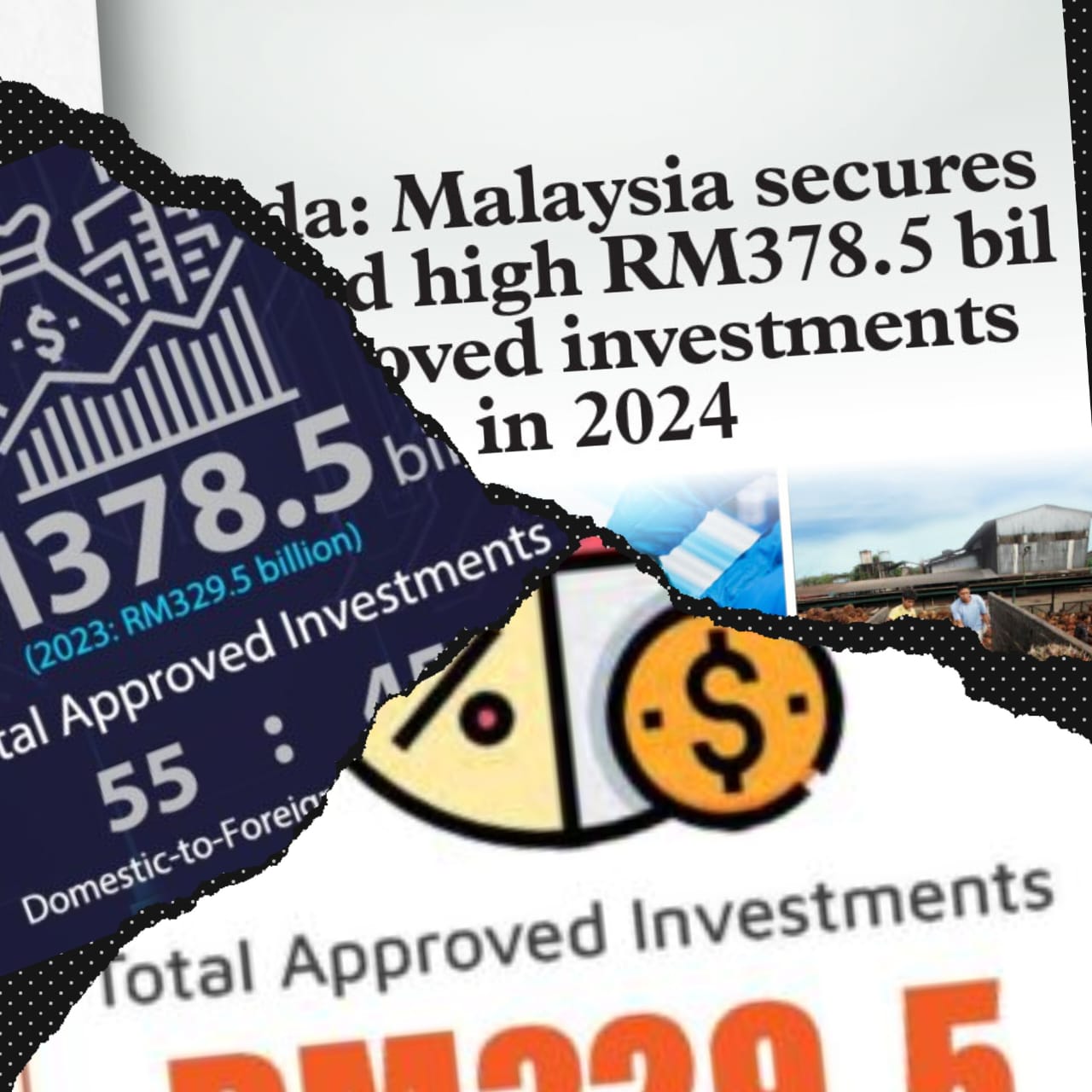
The reality is: we’ve become quite good at racking up impressive-sounding portfolio flows and announcing GFCF approvals. But we still struggle with converting them into actual, lasting impact.
It’s like having a wedding registry full of luxury gifts—but no guests bringing anything on the big day.
Look at the Malaysian Investment Development Authority (MIDA). Every year, MIDA announces staggering amounts of “approved investments.” These numbers make for powerful optics and political talking points.
But approvals are not realisations. They're intentions. Letters of commitment. Between the boardroom decision and the ribbon-cutting ceremony lies a jungle of bureaucracy, shifting market sentiment, environmental reviews, and financing gaps. Many projects never move beyond the press release.
That gap—the one between what’s promised and what’s delivered—is Malaysia’s credibility gap. Because economies don’t grow on approvals; they grow on construction, on production lines, and on jobs that pay and last.
Then there’s the geopolitical dimension. As the U.S.-China rivalry intensifies, Malaysia is navigating a high-stakes balancing act—seeking to attract capital from all sides: Beijing, Washington, Tokyo, Seoul, and Brussels.
China alone has pledged over RM170 billion. But with strategic capital comes strategic strings. We need to ask: do these investments strengthen local industries, or increase external dependency?
And let’s not overlook the environmental challenge. Data centres are the shiny new symbol of the digital economy, but they are power-hungry and land-intensive. Will Malaysia become Southeast Asia’s server farm? And if so, at what environmental cost? Are we swapping palm oil for server racks, without fully weighing the trade-offs?
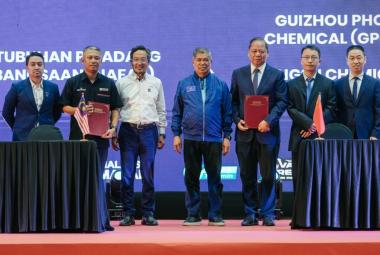
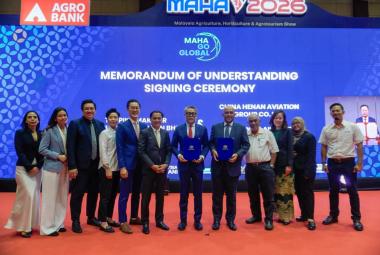
The time has come to shift our mindset—from headline economics to ground-level transformation. From grand MoUs to granular execution. We need fewer “success ceremonies” and more vocational schools. Fewer inflated targets, and more tech parks that actually function. We need supply chains that link SMEs to global industries—not just anchor tenants collecting tax incentives.

Because in a world shifting toward green energy, artificial intelligence, and geopolitical realignment, the countries that thrive won’t be the ones that announce the most. They’ll be the ones that deliver the most—measured in factories built, workers trained, emissions cut, and productivity gained.
So yes, celebrate announcements—but also interrogate them.
Where are the jobs?
Where’s the tech transfer?
Where’s the multiplier effect?
If you can’t see it, maybe it’s not happening. And if it’s not happening, all we’ve got is factories in the air.
As the saying goes: don’t count your chickens before they’re hatched.
Or in Malaysia’s case—don’t count your factories until the machines are humming and the jobs are paying. - DagangNews.com
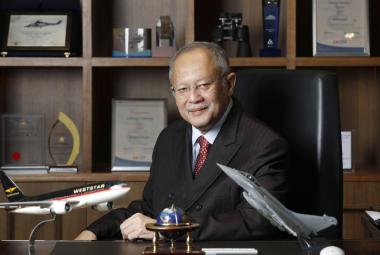
Economist Samirul Ariff Othman is an international relations analyst. He completed his graduate studies at Macquarie University in Sydney, Australia. The views in this OpEd piece are entirely his own.
Layari kami terus di DagangNews.com

Orang ramai dipelawa menghantar artikel ke ruangan PARAFRASA di [email protected] mengikut ketetapan berikut:
1. Berbentuk analisis peribadi (Op-Ed) mengenai sesuatu isu atau topik, bukan plagiat
2. Topik yang mendapat perhatian segera dan utama ialah
a. berkaitan perniagaan, perdagangan, keusahawanan, pelaburan
b. Ekonomi MADANI
c. Pembangunan ekonomi negara dan negeri khusus
d. Sektor industri khusus seperti minyak sawit, getah, penerbangan, minyak dan gas
e. ESG
f. Hak pekerja, hak majikan, hak asasi manusia
3. Sains & Teknologi
a. Penemuan penyelidikan Sains & Teknologi serta teori dan konsep
b. Langkah mengkomersialkan produk berasaskan R&D
4. Kaedah penulisan
a) Sebaiknya seorang penulis sahaja pada penama.
b) Berbahasa Malaysia
c) Bahasa Inggeris diterima tetapi akan diterjemah ke Bahasa Malaysia
d) Editor akan memutuskan jika mahu mengekalkan Bahasa Inggeris
e) Tidak melebihi 1,000 patah perkataan dan tidak kurang daripada 600.
f) Jika disertakan gambar, juga amat digalakkan tetapi jangan guna Google (elak langgar hakcipta)
5. Hantar HANYA kepada DagangNews.com
a) Jika didapati artikel sama disiarkan di media lain kerana penulis menghantar merata-rata, nama penulis akan disenaraihitamkan.
b) Sila kemukakan Nama sebenar, Cadangan nama siaran dan emel untuk dihubungi (untuk rekod).