
KUALA LUMPUR 6 June — As the world reels from a surge in protectionist policies, supply chain disruptions, and economic uncertainty, Malaysia must prepare for and embrace rapid change if it is to sustain growth and social stability under the MADANI Economic Agenda.
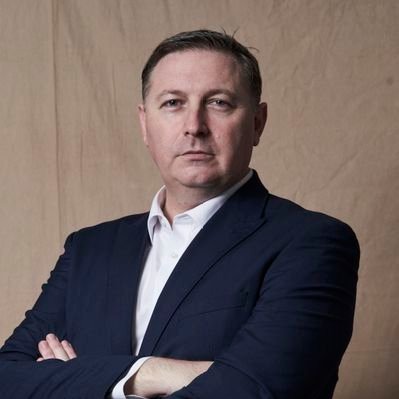
That was the key message from Nordin Abdullah, Founding Chairman of the Malaysia Global Business Forum and Managing Director of Glenreagh Sdn Bhd, in an exclusive interview with DagangNews.
Known for his creative approach to strategy and sustainable development, Nordin is an EXCO member of the Public Relations Practitioners Society of Malaysia and a former Vice President of the Malaysian International Chamber of Commerce and Industry. He founded the Crisis Management Centre to help governments, corporations, and individuals deal with complex challenges in real-time.
Under his leadership, Glenreagh Sdn Bhd continues to drive thought leadership through key initiatives including the Malaysia Global Business Forum, Tomorrow’s Leaders Summit, and the Kedah International Photography Awards.
"We live in the Age of Crisis," Nordin asserted. "The entire world is navigating turbulent conditions. In this reality, Malaysia must be agile enough to protect its national interests and seize emerging opportunities."
Domestic Policy on a Global Stage
Commenting on the recent resurgence of global protectionism, including new tariffs imposed by the U.S., Nordin said Malaysia must understand that its domestic policies are now competing internationally.
"The faster we realise this, the sooner we will grasp the gravity of the situation. We have to focus on what works and phase out what doesn’t before our competitors beat us to it," he said.
He welcomed the MADANI Economic Framework's "all-of-nation" approach, stressing that resilience requires not just government action, but also a cohesive response from businesses, civil society, and institutions.
"The elements of the MADANI framework align with global best practices and the expectations of our destination markets. But implementation must be dynamic and capacity-building must be continuous."
Raising the Floor, Raising the Ceiling
On the issue of equitable growth and poverty alleviation, Nordin highlighted two important outcomes as indicators of success: further reductions in hardcore poverty and improvements in Malaysia's Gini coefficient.
"These are tangible signs that we're moving in the right direction. But let’s not forget that wealth creation must also be nurtured. Those already contributing to the economy need to be enabled to grow further, as they carry much of the economic weight," he said.
He added that Malaysia’s educated middle class will be instrumental in advancing a knowledge-based economy, but warned against simplistic "Robin Hood Economics."
"You need to raise the floor and the ceiling at the same time. Growing the pie ensures there’s more to distribute in the long run. That’s a more sustainable and equitable path forward."
A Framework, Not a Fix-All
When asked if the MADANI agenda should be recalibrated due to global economic headwinds, Nordin maintained that the framework remains structurally sound but must be activated with discipline and foresight.
"It’s a collective statement of intent — a guiding document that must now translate into detailed, results-driven work across every sector. We need to be asking better questions: Have we tested our assumptions? Are we ready for the next crisis?"
As founder of the Crisis Management Centre, Nordin brings to the conversation a keen awareness of systemic risk.
He believes Malaysia’s ability to remain resilient and competitive hinges not just on policy vision, but on its willingness to adapt to a future defined by unpredictability.
"Progress is not about having all the answers," he concluded. "It’s about asking the right questions — and being prepared to change course when the facts demand it." - DagangNews.com
Layari kami terus di DagangNews.com

Orang ramai dipelawa menghantar artikel ke ruangan PARAFRASA di [email protected] mengikut ketetapan berikut:
1. Berbentuk analisis peribadi (Op-Ed) mengenai sesuatu isu atau topik, bukan plagiat
2. Topik yang mendapat perhatian segera dan utama ialah
a. berkaitan perniagaan, perdagangan, keusahawanan, pelaburan
b. Ekonomi MADANI
c. Pembangunan ekonomi negara dan negeri khusus
d. Sektor industri khusus seperti minyak sawit, getah, penerbangan, minyak dan gas
e. ESG
f. Hak pekerja, hak majikan, hak asasi manusia
3. Sains & Teknologi
a. Penemuan penyelidikan Sains & Teknologi serta teori dan konsep
b. Langkah mengkomersialkan produk berasaskan R&D
4. Kaedah penulisan
a) Sebaiknya seorang penulis sahaja pada penama.
b) Berbahasa Malaysia
c) Bahasa Inggeris diterima tetapi akan diterjemah ke Bahasa Malaysia
d) Editor akan memutuskan jika mahu mengekalkan Bahasa Inggeris
e) Tidak melebihi 1,000 patah perkataan dan tidak kurang daripada 600.
f) Jika disertakan gambar, juga amat digalakkan tetapi jangan guna Google (elak langgar hakcipta)
5. Hantar HANYA kepada DagangNews.com
a) Jika didapati artikel sama disiarkan di media lain kerana penulis menghantar merata-rata, nama penulis akan disenaraihitamkan.
b) Sila kemukakan Nama sebenar, Cadangan nama siaran dan emel untuk dihubungi (untuk rekod).