

KUALA LUMPUR 6 Aug - Malaysia’s tourism ambitions under the 13th Malaysia Plan (RMK13) can only be realised through stronger collaboration between state governments and the private sector, according to pioneer of Malaysia’s tourism industry, Tunku Dato’ Seri (Dr) Iskandar bin Tunku Abdullah.
Speaking to DagangNews, Tunku Iskandar welcomed the renewed emphasis on tourism under RMK13, but stressed that policy direction alone is not enough without committed execution at the state level and meaningful engagement with industry players.
“Much of what is mentioned in RMK13 is dependent on state government commitment,” he said.
“However, not all state governments show the same level of enthusiasm, and this often comes down to the experience and capability of the State Executive Councils and their teams. These Exco members are politicians, not selected based on expertise in tourism or economic development.”
The 13th Malaysia Plan, tabled by Prime Minister Datuk Seri Anwar Ibrahim last month, outlines a strategic roadmap from 2026 to 2030 under the Ekonomi MADANI framework.
Tourism has been identified as a key growth driver, with plans to develop Special Tourism Investment Zones (STIZ) in Johor, Melaka, Negeri Sembilan and Sarawak, revitalise heritage sites, enhance homestay networks, and mobilise national efforts for Visit Malaysia Year 2026.
The government is targeting a 16% contribution from the tourism sector to national GDP by the end of the plan period.
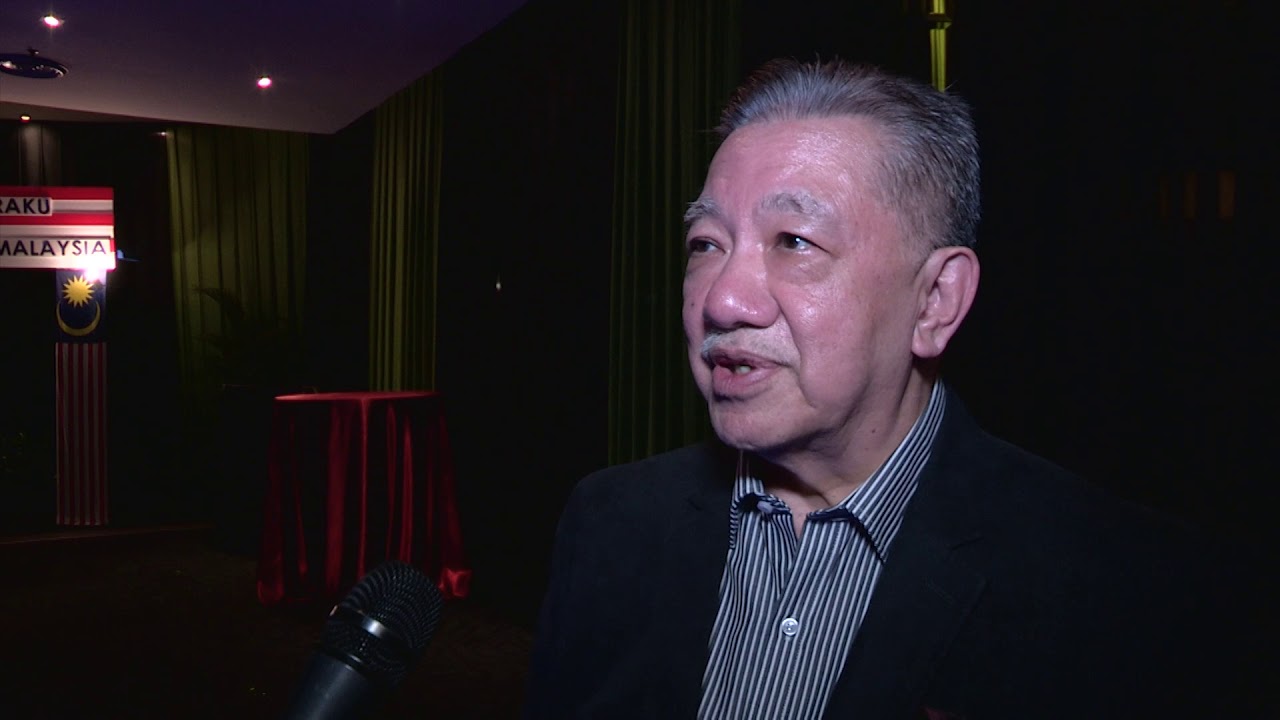
Tunku Iskandar, who serves as Group Executive Chairman of Melewar Group and Group President of its tourism-related companies—including Mitra Travel & Tours, Mitra Kembara, Pacific World Travel, APG Malaysia, and World Express Malaysia—brings more than 40 years of experience in the industry.
He is also a current Executive Board Member of the Pacific Asia Travel Association (PATA) and has held numerous leadership positions including former President of the ASEAN Tourism Association (ASEANTA), the Federation of ASEAN Travel Associations (FATA), and Founder Chairman of the National Tourism Council of Malaysia (NTCM).
“There has to be genuine interaction with private sector players — travel agents, tour operators, and investors. Too often, decisions are made without listening to those who are directly involved in the industry,” he said.
While acknowledging the government’s efforts to stimulate the creation of new tourism products, he pointed out that high-capex tourism projects—such as eco-resorts, adventure parks, and heritage attractions—will require significant private sector funding. To facilitate this, he urged the government to introduce more attractive investment incentives.
“What is needed is private sector investment in developing new attractions, especially those that require substantial capital expenditure. To support this, we need real incentives — tax holidays, grants, even interest-free loans. Otherwise, interest from the private sector will remain limited.”
Sabah & Sarawak
Tunku Iskandar also welcomed RMK13’s focus on Sabah and Sarawak as tourism growth corridors but cautioned that East Malaysia continues to face practical challenges.
“Sabah and Sarawak have world-class natural and cultural assets. But accessibility, infrastructure and coordination between federal and state agencies remain major hurdles. You can’t promote what people find difficult to reach,” he said.
With Visit Malaysia Year 2026 approaching, he emphasised that the initiative must go beyond branding exercises and instead be grounded in solid implementation and industry-wide participation.
“Visit Malaysia 2026 must be more than a slogan. It requires strategic planning, seamless coordination and full ecosystem mobilisation — from five-star hotels to rural homestays,” he said.
He also highlighted the importance of digital transformation, service quality enhancement, and skills development in ensuring Malaysia remains competitive in an increasingly crowded regional tourism market.
“Malaysia has the potential to reclaim its position as a leading tourism hub in ASEAN. But we need alignment — federal, state, and private sectors must move together,” he concluded.
With foreign tourist spending reaching RM102.2 billion in 2024, the sector has demonstrated resilience and potential. RMK13 now provides the strategic direction, but industry leaders like Tunku Iskandar stress that its success will ultimately depend on effective execution, cross-sectoral collaboration, and policy consistency across all levels of government. - DagangNews.com
Layari kami terus di DagangNews.com

Orang ramai dipelawa menghantar artikel ke ruangan PARAFRASA di [email protected] mengikut ketetapan berikut:
1. Berbentuk analisis peribadi (Op-Ed) mengenai sesuatu isu atau topik, bukan plagiat
2. Topik yang mendapat perhatian segera dan utama ialah
a. berkaitan perniagaan, perdagangan, keusahawanan, pelaburan
b. Ekonomi MADANI
c. Pembangunan ekonomi negara dan negeri khusus
d. Sektor industri khusus seperti minyak sawit, getah, penerbangan, minyak dan gas
e. ESG
f. Hak pekerja, hak majikan, hak asasi manusia
3. Sains & Teknologi
a. Penemuan penyelidikan Sains & Teknologi serta teori dan konsep
b. Langkah mengkomersialkan produk berasaskan R&D
4. Kaedah penulisan
a) Sebaiknya seorang penulis sahaja pada penama.
b) Berbahasa Malaysia
c) Bahasa Inggeris diterima tetapi akan diterjemah ke Bahasa Malaysia
d) Editor akan memutuskan jika mahu mengekalkan Bahasa Inggeris
e) Tidak melebihi 1,000 patah perkataan dan tidak kurang daripada 600.
f) Jika disertakan gambar, juga amat digalakkan tetapi jangan guna Google (elak langgar hakcipta)
5. Hantar HANYA kepada DagangNews.com
a) Jika didapati artikel sama disiarkan di media lain kerana penulis menghantar merata-rata, nama penulis akan disenaraihitamkan.
b) Sila kemukakan Nama sebenar, Cadangan nama siaran dan emel untuk dihubungi (untuk rekod).