
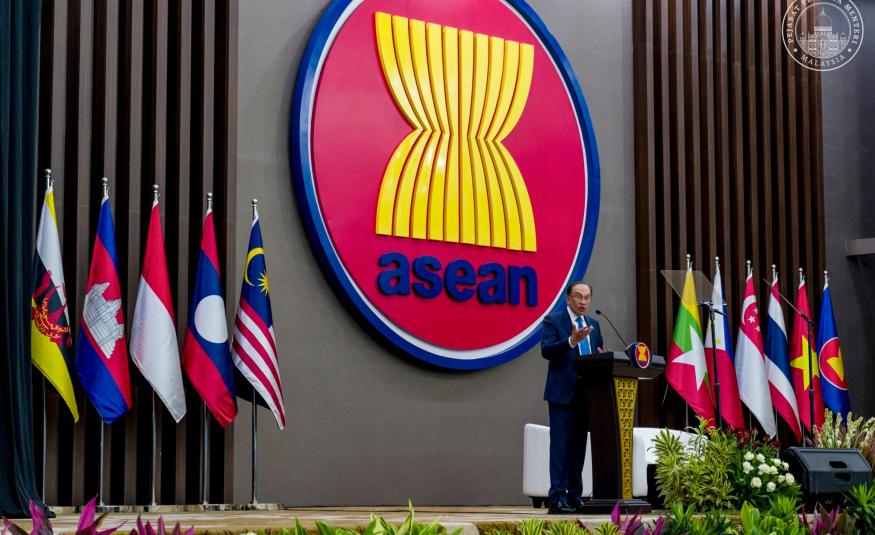
KUALA LUMPUR 30 July - The July 28 ceasefire agreement between Cambodia and Thailand, brokered under Malaysia’s ASEAN Chairmanship, is widely expected to generate immediate and mid-term economic dividends.
While formal trade flows and border markets are still stabilising, the resolution has lifted investor sentiment across ASEAN, according to regional economists and analysts.
The ceasefire deal—reached with diplomatic support from both the United States and China—has earned Prime Minister Anwar Ibrahim international praise for his leadership.
The U.S. State Department said in a public statement:
“We are grateful to Malaysian Prime Minister Anwar Ibrahim for his leadership and for hosting the ceasefire talks.”
“The United States will remain committed to and engaged in this U.S.–Malaysia-organized process to end this conflict.”
Investor Confidence and Trade Revival on the Horizon
Economist Shan Saeed, Chief Economist at Juwai IQI Global, said the diplomatic breakthrough could restore economic momentum along affected corridors and improve regional market sentiment.
“Malaysia demonstrated global leadership in defusing the conflict in a diplomatic manner,” Saeed told DagangNews.com.
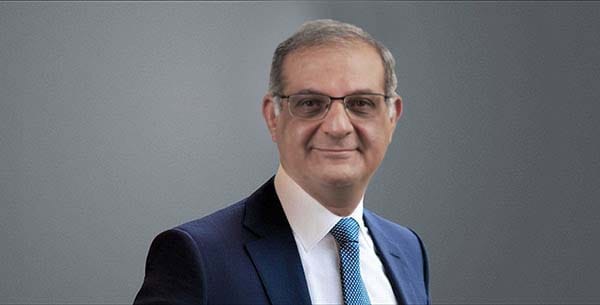
“People from both countries are ecstatic with the news of the ceasefire. This heralds a good omen for the ASEAN region in the global landscape.”
In areas previously affected by military buildup and checkpoint disruptions, small traders, agricultural producers, and logistics operators are expected to gradually resume operations, especially along the Mekong and IMT-GT trade corridors.
“Investor sentiment across ASEAN is likely to perk up significantly,” said Saeed. “Malaysia’s visible leadership showcases not only its diplomatic dexterity, but also ASEAN’s potential as a credible peace broker.”
A Boost for ASEAN’s Institutional Identity
Beyond border regions, the ceasefire offers ASEAN a much-needed win on the international stage. With ASEAN economies projected to surpass $4.2 trillion in combined GDP by year-end, the region is increasingly under global scrutiny for its ability to manage security risks.
“This incident shows that ASEAN’s advantage lies not only in demography and growth—but in stability, integration, and multilateral maturity,” Saeed said.
He added that the ceasefire reinforces the value of RCEP and regional economic frameworks, while also strengthening ASEAN’s branding as a “rules-based, investor-safe zone” in a fractious world.
Malaysia’s Diplomatic Capital Grows
The conflict itself stemmed from long-standing border tensions near the Preah Vihear Temple, a UNESCO World Heritage Site claimed by both Cambodia and Thailand. The dispute has historically resulted in deadly clashes, including in 2008 and 2011.
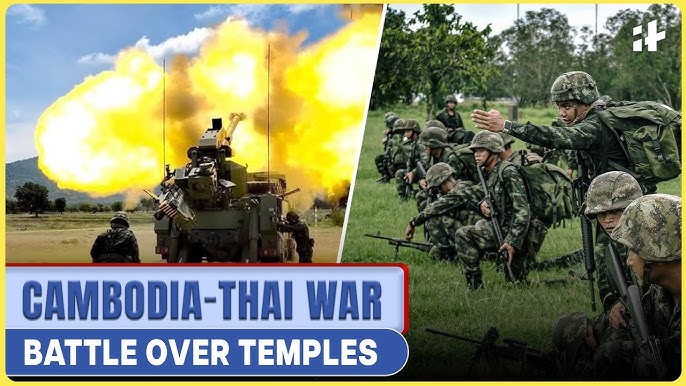
The July 2025 flare-up raised fears of a larger conflict—until Malaysia convened emergency talks in Putrajaya.
“Malaysia has taken the key role in resolving the conflict successfully and marking her name in global diplomacy,” Saeed noted.
“PM Anwar deserves global recognition for bringing an end to the conflict. Strategic leadership commences from Malaysia.”
Malaysia’s role, supported by Washington and Beijing, reflects a rare moment of convergence between global powers—and affirms ASEAN’s potential for homegrown, multilateral solutions.
Looking Ahead: Peace Pays Dividends
The ceasefire may pave the way for deeper infrastructure investment and trade diversification, especially across sub-regional corridors like the Indonesia-Malaysia-Thailand Growth Triangle (IMT-GT).
“Economics of peace pays higher dividends in the long run and benefits the masses at all levels,” Saeed concluded.
As global capital looks for politically stable regions with strong fundamentals, ASEAN—backed by Malaysia’s diplomacy—has positioned itself as a resilient and rising economic community. - DagangNews.com
Layari kami terus di DagangNews.com

Orang ramai dipelawa menghantar artikel ke ruangan PARAFRASA di [email protected] mengikut ketetapan berikut:
1. Berbentuk analisis peribadi (Op-Ed) mengenai sesuatu isu atau topik, bukan plagiat
2. Topik yang mendapat perhatian segera dan utama ialah
a. berkaitan perniagaan, perdagangan, keusahawanan, pelaburan
b. Ekonomi MADANI
c. Pembangunan ekonomi negara dan negeri khusus
d. Sektor industri khusus seperti minyak sawit, getah, penerbangan, minyak dan gas
e. ESG
f. Hak pekerja, hak majikan, hak asasi manusia
3. Sains & Teknologi
a. Penemuan penyelidikan Sains & Teknologi serta teori dan konsep
b. Langkah mengkomersialkan produk berasaskan R&D
4. Kaedah penulisan
a) Sebaiknya seorang penulis sahaja pada penama.
b) Berbahasa Malaysia
c) Bahasa Inggeris diterima tetapi akan diterjemah ke Bahasa Malaysia
d) Editor akan memutuskan jika mahu mengekalkan Bahasa Inggeris
e) Tidak melebihi 1,000 patah perkataan dan tidak kurang daripada 600.
f) Jika disertakan gambar, juga amat digalakkan tetapi jangan guna Google (elak langgar hakcipta)
5. Hantar HANYA kepada DagangNews.com
a) Jika didapati artikel sama disiarkan di media lain kerana penulis menghantar merata-rata, nama penulis akan disenaraihitamkan.
b) Sila kemukakan Nama sebenar, Cadangan nama siaran dan emel untuk dihubungi (untuk rekod).