

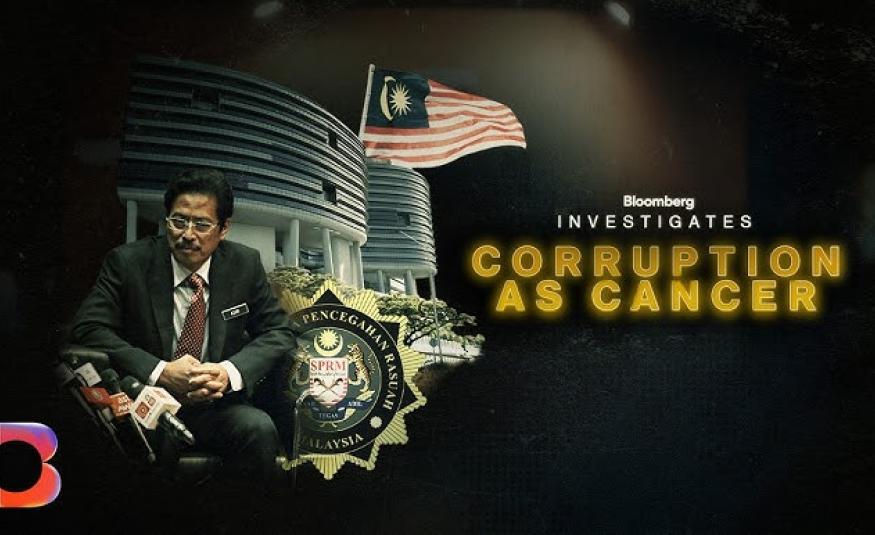
KUALA LUMPUR May 14 — The Center to Combat Corruption and Cronyism (C4 Center) has called for the immediate and full public release of the findings into former Malaysian Anti-Corruption Commission (MACC) chief commissioner Tan Sri Azam Baki’s shareholding controversies, while urging swift action if any wrongdoing is uncovered.
The anti-corruption watchdog also demanded that the government address allegations linking the MACC to the so-called “Corporate Mafia”, warning that failure to act would reflect a serious lack of accountability by both the agency and the government.
In a statement issued following Azam’s departure from the MACC on May 12, C4 Center said his six-year tenure ended under a cloud of unresolved controversies and declining public confidence in the country’s anti-graft body.
Among the unresolved issues highlighted were allegations involving two separate shareholding scandals in 2021 and 2026, Strategic Lawsuits Against Public Participation (SLAPP) suits against journalists and critics, claims of selective prosecution against political rivals of the Prime Minister, and allegations surrounding the weaponisation of the MACC’s “Section D” division in operations linked to the “Corporate Mafia”.
The group said the appointment of Datuk Seri Abdul Halim Aman as the new MACC chief commissioner does not automatically resolve these longstanding concerns.
“Despite promises that findings of investigations into Azam Baki’s controversies would be made public, the government has failed to announce any meaningful disclosures in the past three months,” the statement said.
C4 Center described the allegations as severe and damaging to public trust, not only in the MACC but also in the government’s broader institutional reform agenda.
Calls For Institutional Reform
The watchdog said Abdul Halim now faces a major challenge in rebuilding confidence in the enforcement agency through meaningful institutional reforms.
It noted that despite frequent publicity surrounding MACC raids and arrests, Malaysia’s standing in Transparency International’s Corruption Perceptions Index (CPI) has remained largely stagnant over the past six years, fluctuating between scores of 48 and 52 out of 100.
C4 Center pointed out that the government has set a target for Malaysia to rank among the world’s top 27 countries in the CPI by 2028, compared with its current position of 54th.
To achieve that goal, the organisation urged the new MACC leadership to implement broad reforms, including the establishment of a Parliamentary Special Select Committee dedicated to overseeing the MACC.
According to C4 Center, the committee should be empowered to summon witnesses, request documents, and oversee the appointment and removal of the MACC chief commissioner.
The group also proposed placing the MACC under the jurisdiction of Ombudsman Malaysia to enable independent investigations into complaints involving maladministration and misconduct within the commission.
In addition, it called for reforms to the MACC’s five existing oversight bodies through stronger transparency requirements while transferring genuine oversight responsibilities to Parliament and the Ombudsman.
Public Trust Must Be Restored
C4 Center stressed that the MACC, as the secretariat for the National Anti-Corruption Strategy 2024-2028, carries the responsibility of driving meaningful anti-corruption reforms.
“It is vital to hold the new Chief Commissioner and the government to account today so that the mistakes and controversies of the past are not repeated,” it said.
The organisation added that while high-profile arrests may create public attention, they alone are insufficient to restore trust in the anti-graft agency.
“Only when the public sees that the law is applied equally, and when systemic change occurs, will the MACC become the respectable and trusted institution it aims to be,” the statement added. - DagangNews.com
Layari kami terus di DagangNews.com

Orang ramai dipelawa menghantar artikel ke ruangan PARAFRASA di [email protected] mengikut ketetapan berikut:
1. Berbentuk analisis peribadi (Op-Ed) mengenai sesuatu isu atau topik, bukan plagiat
2. Topik yang mendapat perhatian segera dan utama ialah
a. berkaitan perniagaan, perdagangan, keusahawanan, pelaburan
b. Ekonomi MADANI
c. Pembangunan ekonomi negara dan negeri khusus
d. Sektor industri khusus seperti minyak sawit, getah, penerbangan, minyak dan gas
e. ESG
f. Hak pekerja, hak majikan, hak asasi manusia
3. Sains & Teknologi
a. Penemuan penyelidikan Sains & Teknologi serta teori dan konsep
b. Langkah mengkomersialkan produk berasaskan R&D
4. Kaedah penulisan
a) Sebaiknya seorang penulis sahaja pada penama.
b) Berbahasa Malaysia
c) Bahasa Inggeris diterima tetapi akan diterjemah ke Bahasa Malaysia
d) Editor akan memutuskan jika mahu mengekalkan Bahasa Inggeris
e) Tidak melebihi 1,000 patah perkataan dan tidak kurang daripada 600.
f) Jika disertakan gambar, juga amat digalakkan tetapi jangan guna Google (elak langgar hakcipta)
5. Hantar HANYA kepada DagangNews.com
a) Jika didapati artikel sama disiarkan di media lain kerana penulis menghantar merata-rata, nama penulis akan disenaraihitamkan.
b) Sila kemukakan Nama sebenar, Cadangan nama siaran dan emel untuk dihubungi (untuk rekod).