

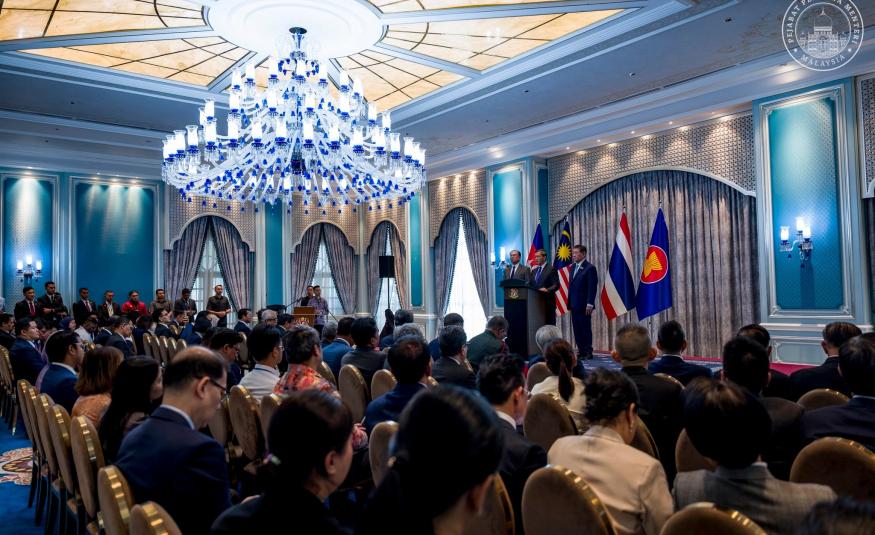
KUALA LUMPUR 30 July - Malaysia’s successful hosting of the Special Meeting that secured a ceasefire between Cambodia and Thailand has drawn international recognition and domestic validation for Prime Minister Anwar Ibrahim’s regional diplomacy, with the United States openly praising his leadership and regional analysts noting Malaysia’s renewed relevance in ASEAN.
“We are grateful to Malaysian Prime Minister Anwar Ibrahim for his leadership and for hosting the ceasefire talks,” the U.S. State Department said in a statement, adding that Washington remains committed to this U.S.–Malaysia-led initiative to restore peace.
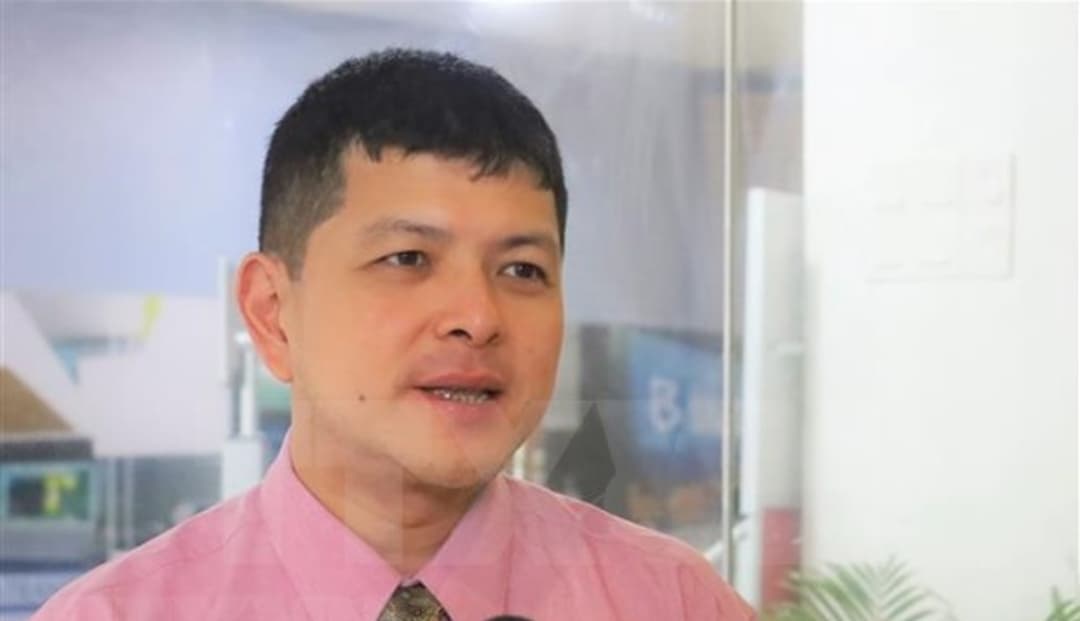
Political analyst Dr. Oh Ei Sun commended Malaysia’s diplomatic posture and Anwar’s statesmanship, noting that Malaysia has emerged as a trusted interlocutor in a region shaped by major-power rivalry.
“Despite some of our differences with the U.S., such as over the Palestinian issue, Malaysia and the United States remain very cooperative in tackling regional challenges,” Dr. Oh told TNS News.
“We are still seen as a trusted partner by the U.S. in resolving regional conflicts — and this ceasefire is proof of that.”
A Longstanding Dispute Rekindled
The tensions between Cambodia and Thailand trace back decades, particularly over territorial claims near the Preah Vihear Temple, a UNESCO World Heritage Site perched on the disputed border. Although the International Court of Justice (ICJ) ruled in 1962 that the temple belongs to Cambodia, border demarcation remains contested.
The situation escalated multiple times — most notably in 2008 and 2011, when clashes between Thai and Cambodian troops resulted in casualties and regional alarm. In 2025, simmering tensions reignited amid infrastructure activities and military posturing in sensitive areas, prompting fears of a broader confrontation.
The recent ceasefire agreement marks the most significant diplomatic breakthrough in years, facilitated under Malaysia’s ASEAN chairmanship, with both sides agreeing to immediate cessation of hostilities, military-level dialogues, and a General Border Committee meeting scheduled for 4 August.
Contrasting Expert Views: Symbolic Host or Strategic Mediator?
While Dr. Oh praised Anwar’s proactive role and Malaysia’s leadership, other experts offered a more tempered view.
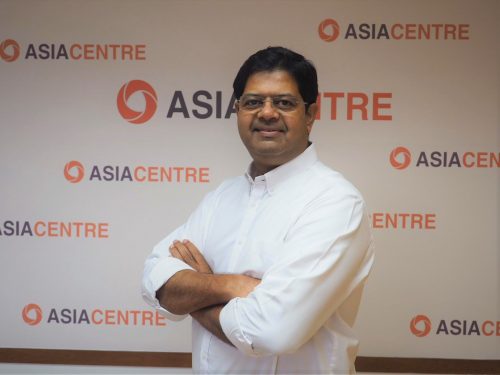
Dr. James Gomez, Regional Director at the Asia Centre, argued that the breakthrough was largely the result of U.S. economic pressure — particularly President Donald Trump’s threat to withhold tariff deals with both countries.
“Malaysia just happened to be ASEAN Chair at this time. It was the U.S. that brought the two sides to the table,” said Dr. Gomez.
“Anwar’s role, while statesmanlike, did not carry significant political clout over the two leaders.”
Superpowers at the Table, But Malaysia in the Middle
During the talks in Putrajaya, the Cambodian and Thai prime ministers sat across from one another, with Anwar Ibrahim in the centre. Notably, the U.S. Ambassador sat diagonally facing Thailand’s delegation, while the Chinese Ambassador mirrored that position across from Cambodia’s Prime Minister — a symbolic alignment noted by Dr. Oh.
“That seating layout facilitated subtle signaling — the U.S. with Thailand, and China with Cambodia,” he explained.
“Still, Malaysia’s positioning in the middle underscores its role as a neutral convener.”
ASEAN Centrality: Real Leadership or Regional Illusion?
The ceasefire has also revived debate about ASEAN’s credibility in regional security.
Dr. Oh said ASEAN’s involvement reaffirms its long-standing emphasis on “centrality” in peacekeeping:
“When two of your own members clash, you must act. And Malaysia helped ASEAN do just that.”
Dr. Gomez disagreed, calling ASEAN’s track record “poor” and highlighting its ongoing failure to resolve the Myanmar crisis.
“It still depends on the geopolitical interests of powers like the U.S. and China.”
Ceasefire Outlook: Durable or Delicate?
While Dr. Oh expressed cautious optimism about the ceasefire’s potential to hold, Dr. Gomez was less hopeful, citing deep-seated personal political rivalries between elites in Phnom Penh and Bangkok.
“Until the Thai side feels it has ‘taught Hun Sen a lesson,’ we shouldn’t expect long-term peace,” he warned.
“As far as many observers are concerned, the issue is far from settled.”
ASEAN leadership
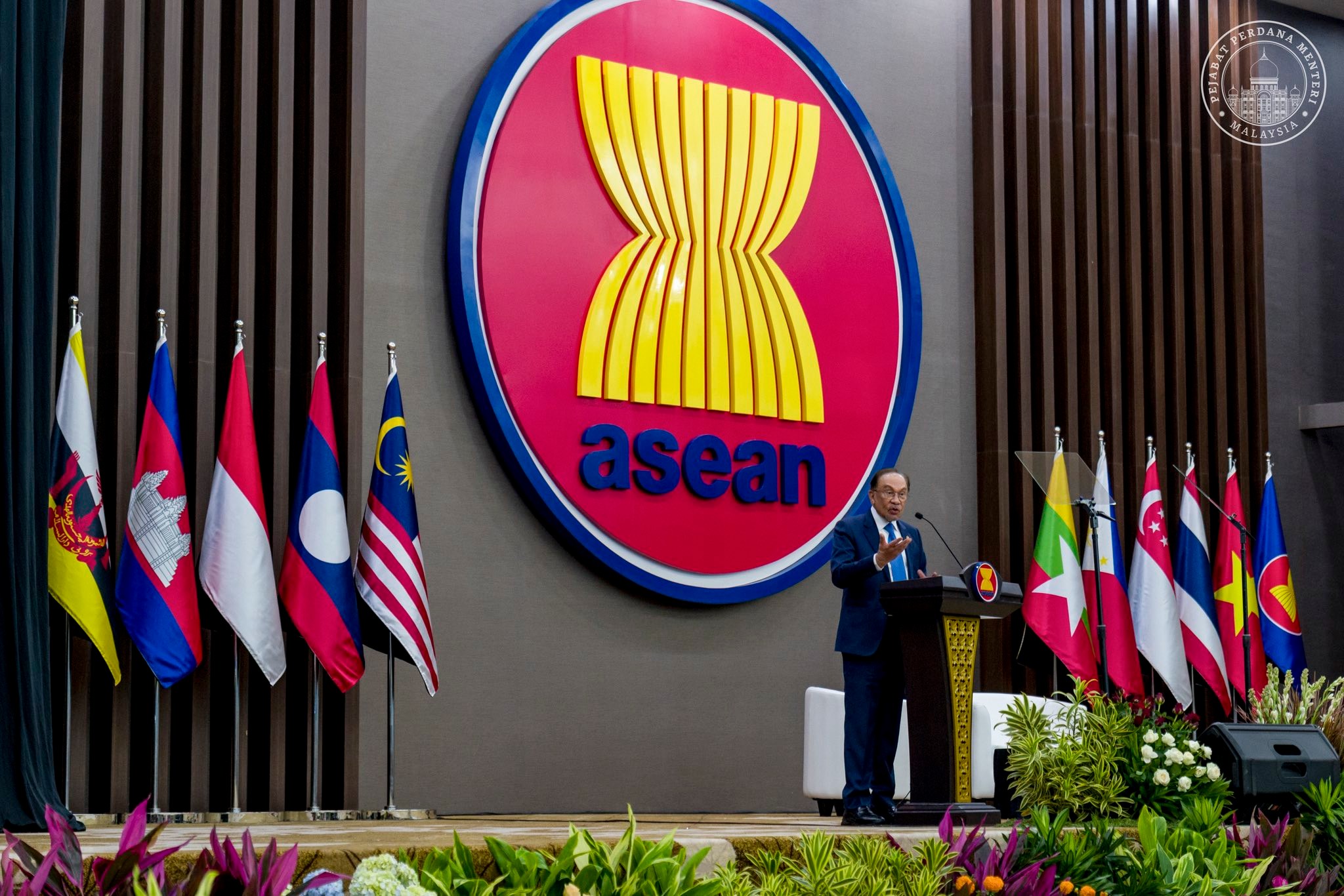
Malaysia’s hosting of the ceasefire talks has spotlighted Anwar Ibrahim’s ability to bridge divides in an increasingly polarized region. Whether the diplomatic breakthrough is remembered as a turning point or a coincidence, it has undeniably elevated Malaysia’s standing — both in ASEAN and among global powers.
Backed by U.S. praise, regional presence, and quiet Chinese cooperation, Malaysia’s chairmanship may yet redefine what ASEAN leadership looks like in a contested world. - DagangNews.com
Layari kami terus di DagangNews.com

Orang ramai dipelawa menghantar artikel ke ruangan PARAFRASA di [email protected] mengikut ketetapan berikut:
1. Berbentuk analisis peribadi (Op-Ed) mengenai sesuatu isu atau topik, bukan plagiat
2. Topik yang mendapat perhatian segera dan utama ialah
a. berkaitan perniagaan, perdagangan, keusahawanan, pelaburan
b. Ekonomi MADANI
c. Pembangunan ekonomi negara dan negeri khusus
d. Sektor industri khusus seperti minyak sawit, getah, penerbangan, minyak dan gas
e. ESG
f. Hak pekerja, hak majikan, hak asasi manusia
3. Sains & Teknologi
a. Penemuan penyelidikan Sains & Teknologi serta teori dan konsep
b. Langkah mengkomersialkan produk berasaskan R&D
4. Kaedah penulisan
a) Sebaiknya seorang penulis sahaja pada penama.
b) Berbahasa Malaysia
c) Bahasa Inggeris diterima tetapi akan diterjemah ke Bahasa Malaysia
d) Editor akan memutuskan jika mahu mengekalkan Bahasa Inggeris
e) Tidak melebihi 1,000 patah perkataan dan tidak kurang daripada 600.
f) Jika disertakan gambar, juga amat digalakkan tetapi jangan guna Google (elak langgar hakcipta)
5. Hantar HANYA kepada DagangNews.com
a) Jika didapati artikel sama disiarkan di media lain kerana penulis menghantar merata-rata, nama penulis akan disenaraihitamkan.
b) Sila kemukakan Nama sebenar, Cadangan nama siaran dan emel untuk dihubungi (untuk rekod).